
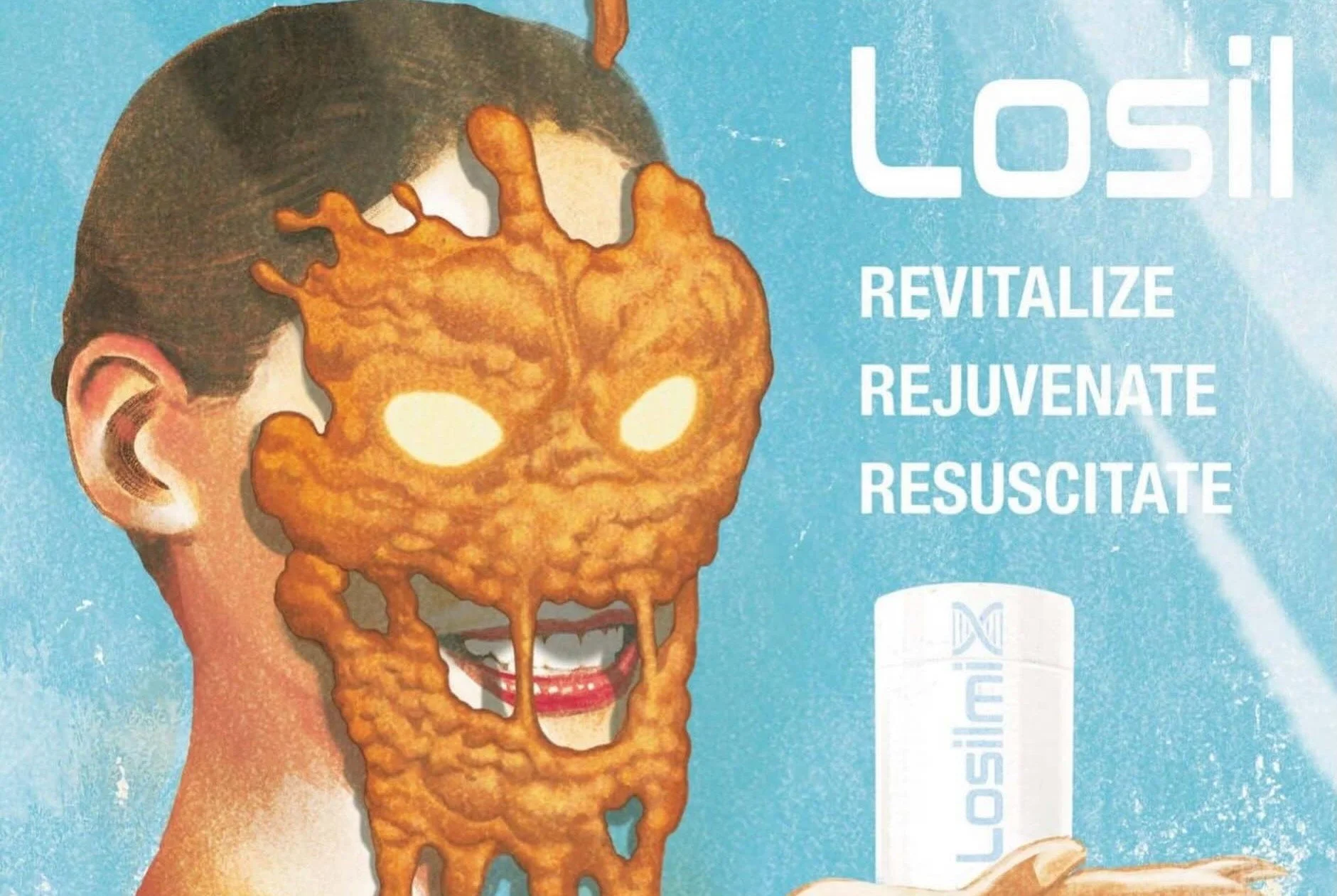
Mike Del Mundo Cover B Variant
Clayface: Celebrity Dirt #3
Writer: Jude Ellison S. Doyle
Artist: Fran Galán
Cover Artists: Bruno Redondo, Fran Galán, Mike Del Mundo
Colorist: Patricio Delpeche
Letterer: Tom Napolitano
Publisher: DC Comics
Clayface: Celebrity Dirt #3 continues to push its strange mix of body horror, Hollywood satire, and mystery, but the further this story goes, the more difficult it becomes to stay invested in all its moving pieces.
There are still some interesting ideas here, and Fran Galán continues to give the series a suitably unsettling visual identity, but the story is beginning to feel increasingly overstuffed. What started as a promising mystery is starting to lose some of its momentum as more layers are added without the same sense of intrigue that made the first issue so compelling.
Meltdown on Aisle Nine
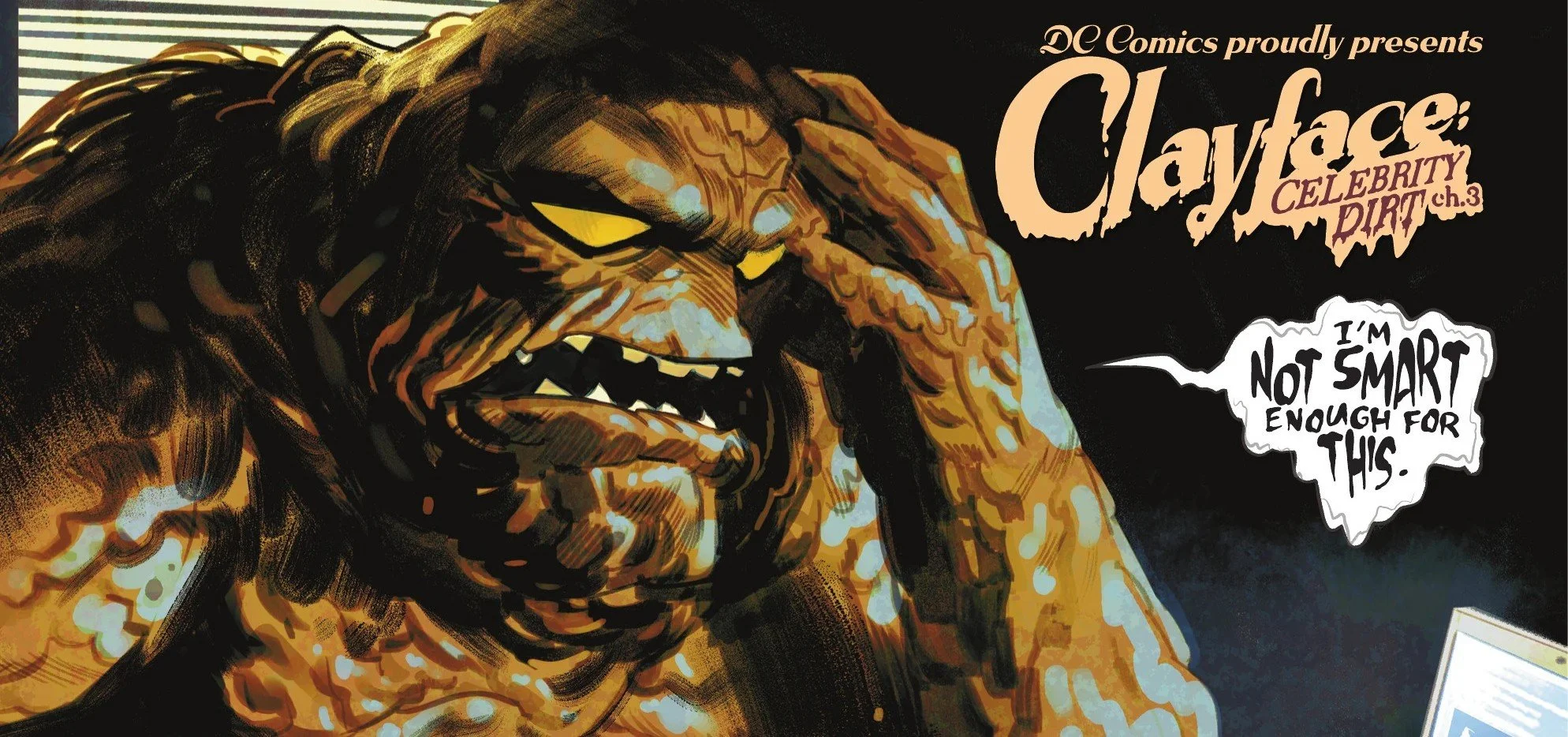
After the fake Basil (fake Basil? Real Basil? Who’s keeping count anymore?) kidnaps Katie and brings her down into the sewers, an epidemic begins spreading across the United States. Athletes and runway models are melting away, à la Clayface, after taking Losilmix, a supplement marketed as both a muscle-building product and fat-loss burner. The catch? It doesn’t specify what’s in it, nor does it disclose any potential side effects.
It’s up to Matt, or rather, the real Basil, to figure out what’s happening and put a stop to it before it’s too late.
Which Basil Is It, Anyway?:
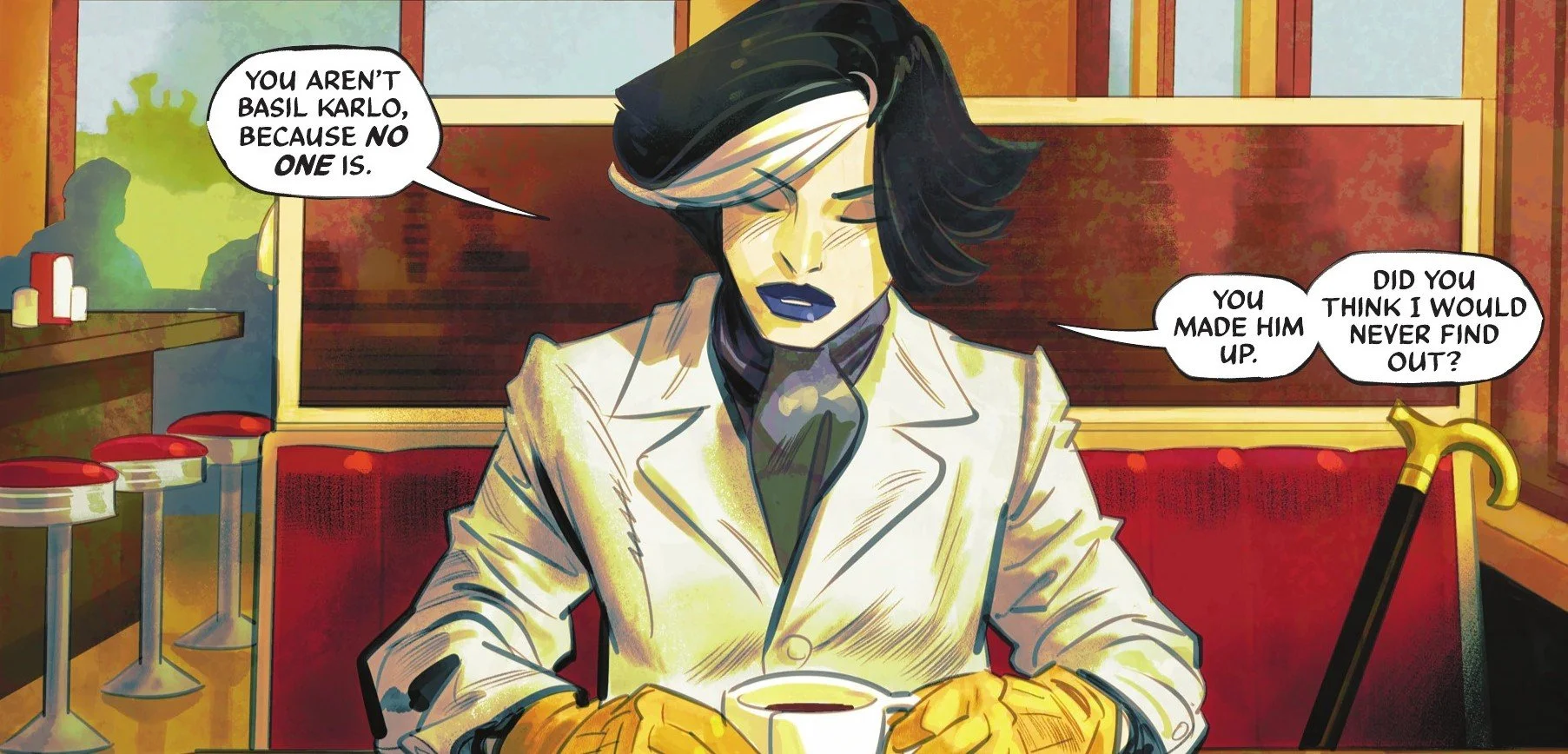
Basil meets up with an old friend, Dr. Victoria October, a renowned scientist who specializes in bioweapons. She explains to Basil that the difference between a supplement and a drug is that supplements aren't regulated in the same way, which helps explain how easily Losilmix has become accessible. This leads to Victoria revealing something that was previously hinted at in issue #1: the man who believes he is Basil Karlo isn't actually Basil Karlo. He was born Matt Hagen instead.
Look, feel free to pile on me here, but the narrative surrounding who is and who isn't the “real” Basil Karlo is becoming increasingly confusing and, quite frankly, isn't nearly as intriguing to follow as I had originally hoped after what was a promising first issue. Maybe that's my reader fatigue talking after following a series I had high hopes for, but I'm finding myself increasingly apathetic toward the identity mystery.
I also think I would have been much more excited to see Victoria October introduced earlier in the series. At this point, her arrival feels a little shoehorned in, especially considering how much history she has with Basil. For readers who aren't familiar with the fact that these two have a history together, the intensity of their interactions can feel somewhat jarring. That said, I did enjoy seeing Victoria put Basil in his place after reaching her breaking point with him.
Painting the Town Clay
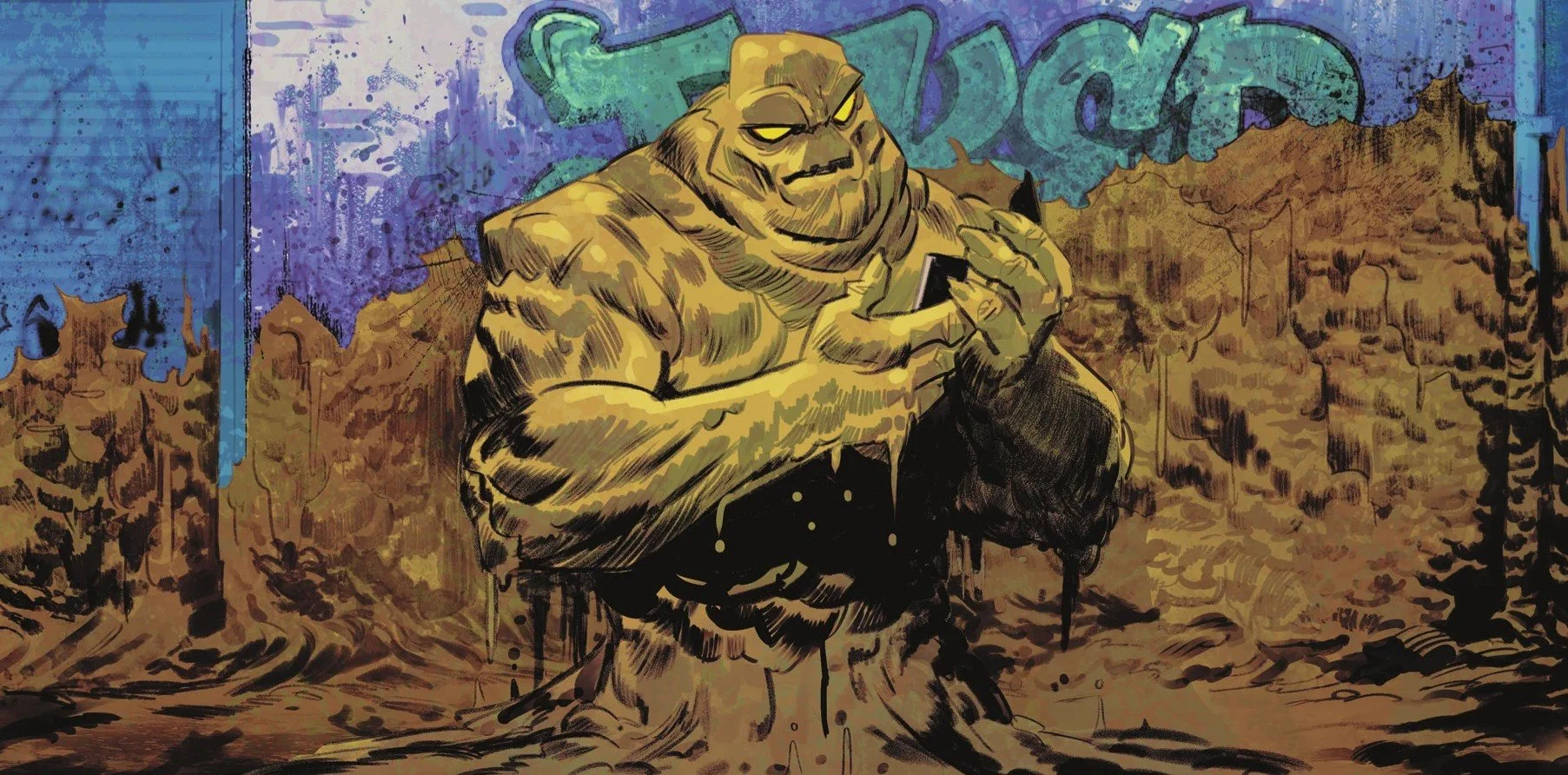
Fran Galán is once again doing good work in creating a moody, eerie atmosphere for Clayface: Celebrity Dirt #3. The sewer sequences have a grimy, claustrophobic feeling to them, while the darker environments help reinforce the increasingly unsettling tone of the book.
The panels depicting the athletes and models melting from the side effects of Losilmix are some of the stronger visual moments in the issue. Galán does a good job making the transformations disturbing without letting them become so visually excessive that they lose their impact. There are also some nice contrasts between the polished world of athletes and runway models and the grotesque consequences of the supplement, which fits with the book's commentary on appearance and celebrity culture.
Some of the human faces can look a little off-putting at times. That said, I really like Galán's rendition of Victoria October. There's a sharpness to her design and expressions that helps her stand out whenever she's on the page, and he does a particularly good job capturing the frustration and intensity she brings to her scene with Basil.
A Mystery Left Unformed
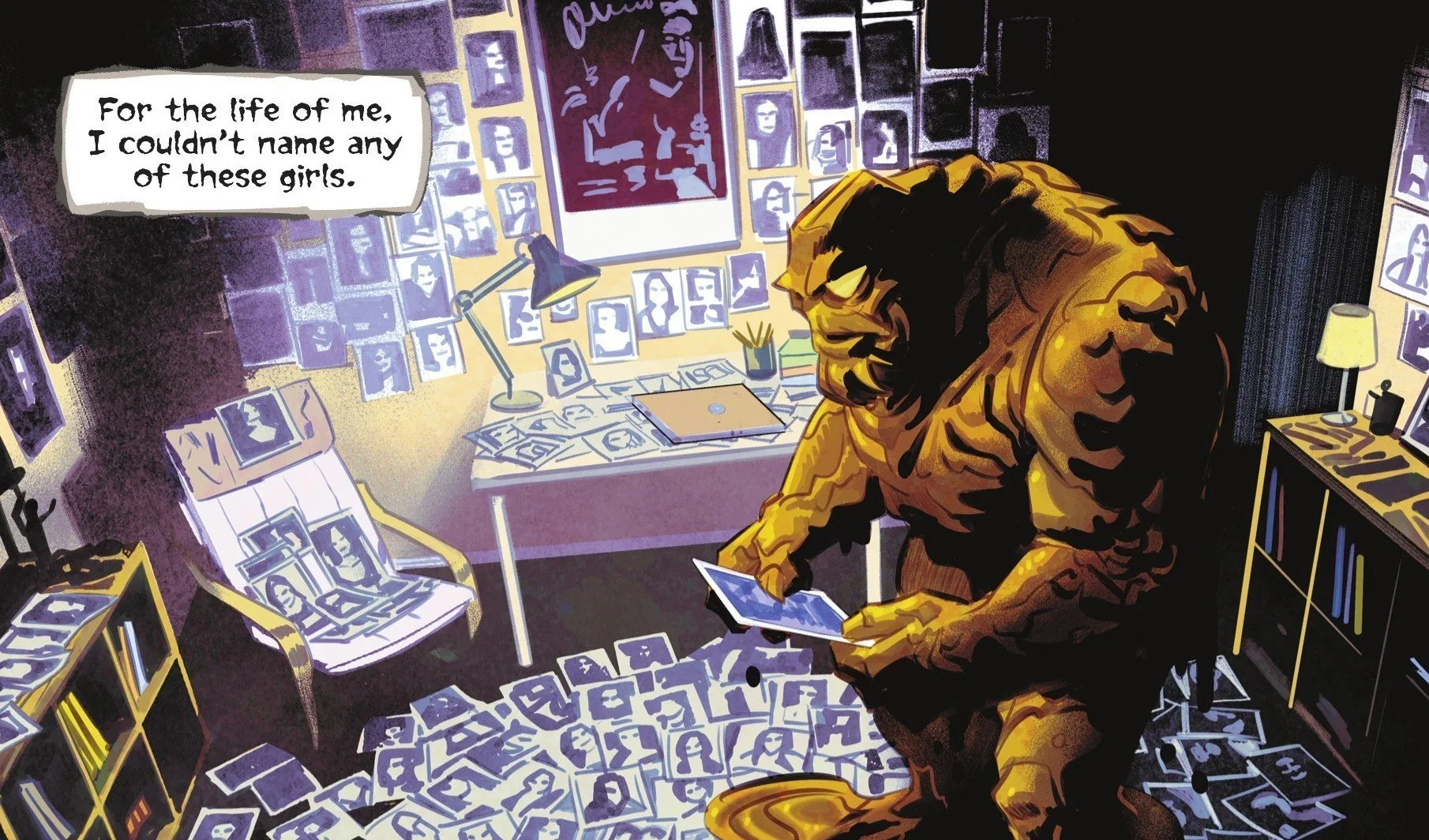
If you weren't won over by #1 or #2, I have my doubts that Clayface: Celebrity Dirt #3 will change your mind. Between the experimental weight-loss drug mystery, a Hollywood actor kidnapping and killing women, and a protagonist struggling with a forgotten identity, there's a lot of commentary being juggled throughout this series. Unfortunately, it still hasn't found the right balance between all these ideas, leaving what could be an intriguing mystery feeling increasingly unfocused.
Galán's artwork continues to give the book a distinct visual identity, but I'm finding it harder to stay invested with each issue. What began as a promising take on Clayface is starting to feel like it's trying to say too many things at once without giving any one of them enough room to really land.