Comic Book Clique

Absolute Batman

🪦They’re Actually Going To Kill [Redacted] in Absolute Batman #20, Aren't They?

George SerranoComment

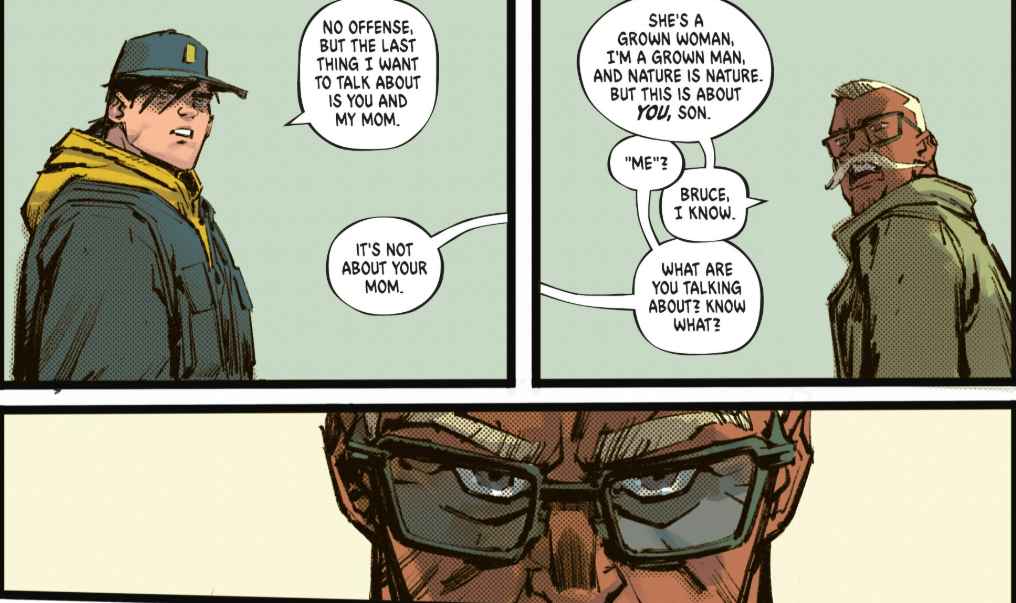
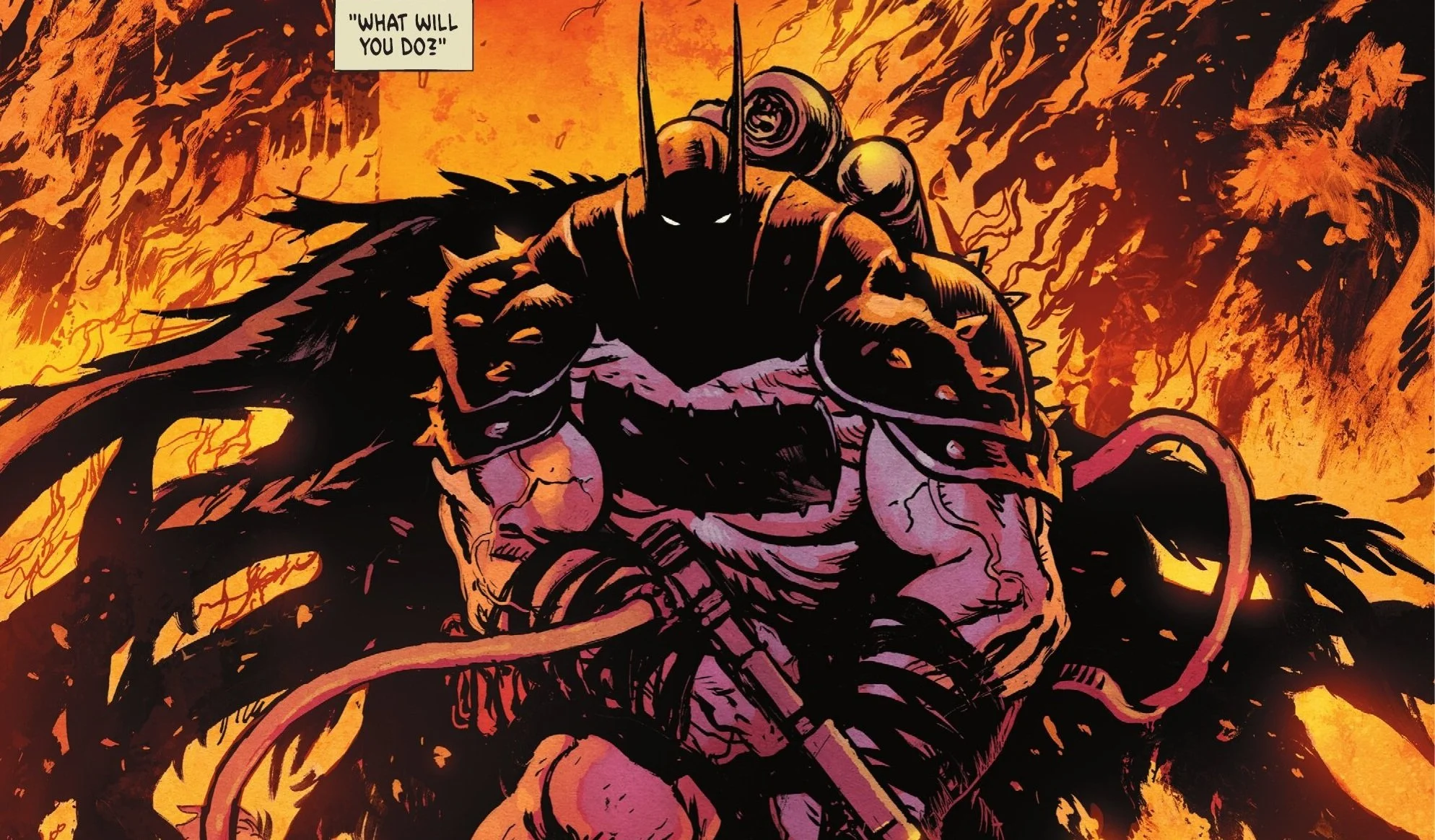
The rumors of a massive character death in Absolute Batman #20 are hitting a fever pitch. The solicitation of the issue reads: A TRAGIC LOSS ROCKS GOTHAM CITY! As the dust settles in the city of Gotham after the loss of [redacted], Robins enter the scene ready to hunt, and more than one secret will be revealed in this seminal issue. While the story seems to be pointing toward Martha Wayne as the big casualty, it feels like a total red herring. If you look at the board, all signs point to a different loss that would fundamentally break the rules of the Batman mythos. The real target on the chopping block is ……

……

…..

..

Jim Gordon.

⚠️SPOILERS FOR ABSOLUTE BATMAN #18⚠️


A Man Without a Shield

In most stories, Jim’s badge is his armor. But in this universe, he doesn't have the institutional power of the Commissioner's office or a loyal police force behind him. He is a man operating on the fringes of a city that hates his integrity. That lack of a "shield" makes him an incredibly soft target for the powers running Gotham.

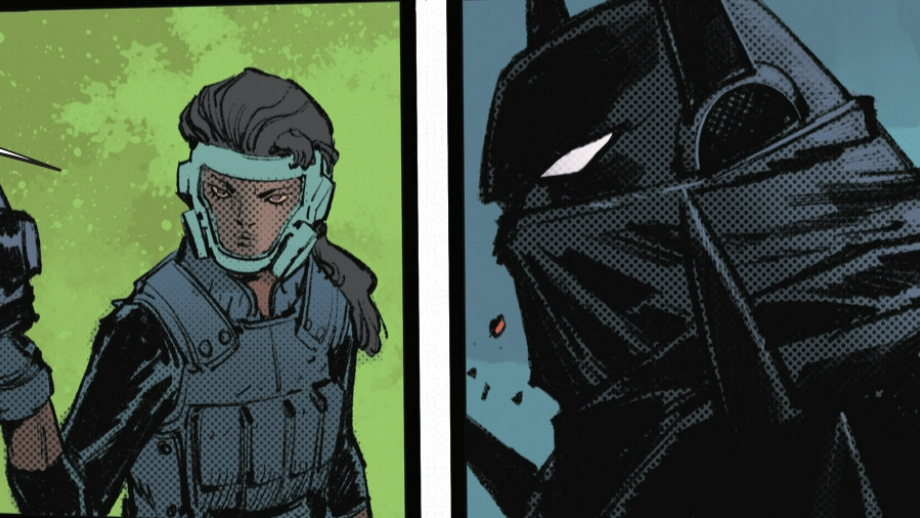
This vulnerability is dialed up to eleven now that the Court of Owls is stepping out of the shadows. We know Martha is a former Talon who got on the Court's bad side, making her the "one who got away" from their control. Since she is essentially an enemy of the state in their eyes, the Court isn't just going to go after her; they are going to dismantle her life. Targeting Jim is the most logical way for them to hurt her and Bruce simultaneously. In this version of Gotham, having a spine just makes you an easier target for the Owls to pick off as a warning to those who defect.


The Double Loss of a Father Figure

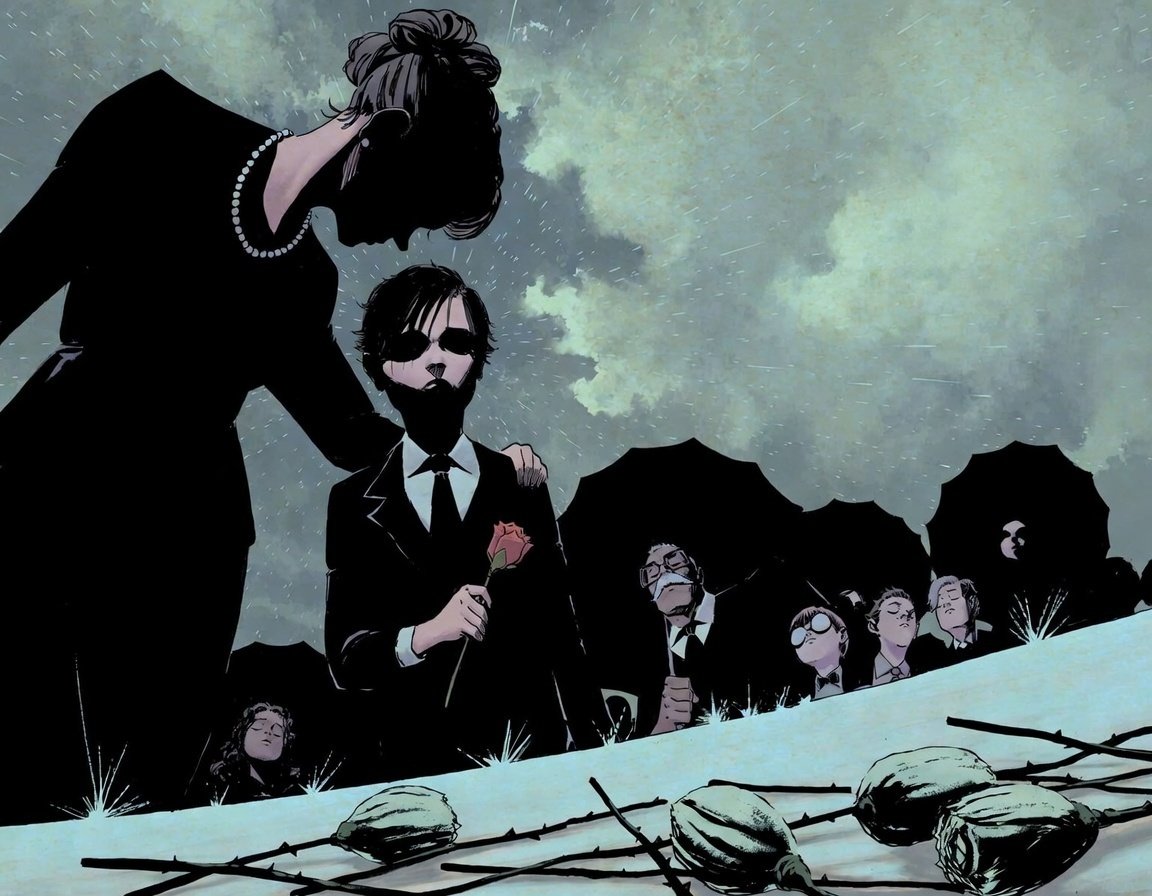
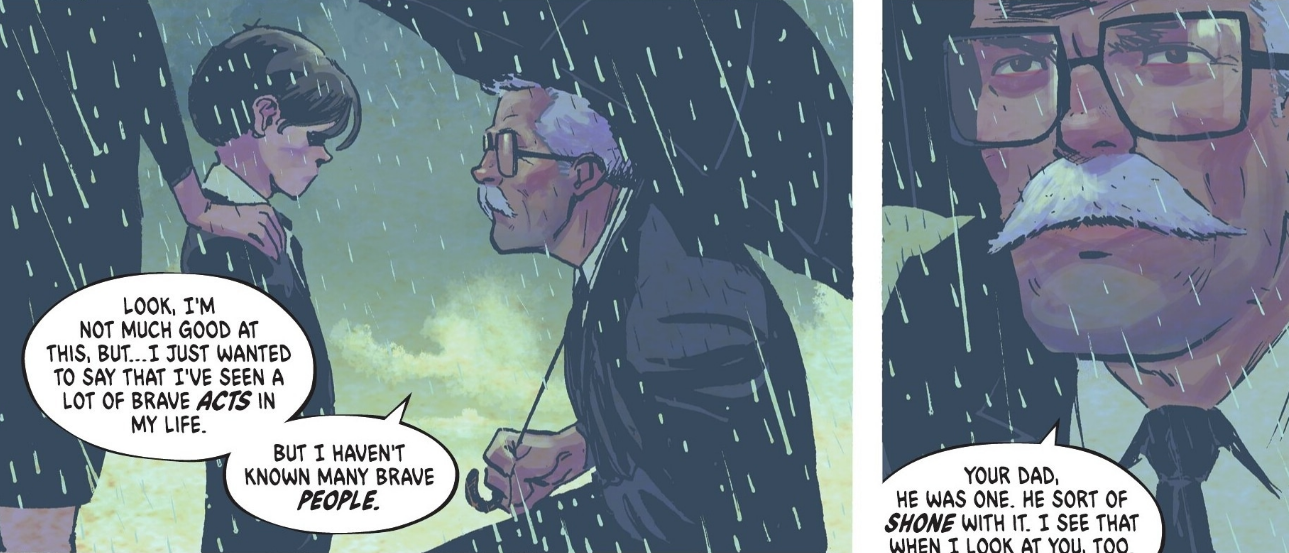
In a world without the traditional Alfred Pennyworth, Jim Gordon has stepped up as the only real moral compass Bruce has left. In the Absolute Universe, Bruce doesn't have a billion-dollar mansion or a butler to ground him. He just has his own rage and the very few people he trusts, and Jim was one of the first to comfort him after the tragic loss of his dad. Losing Jim would mean Bruce loses a second "father," mirroring the trauma of his childhood, but through the lens of his adult choices.

This kind of grief would push the Absolute Batman into total isolation. We already see that Bruce thinks Batman needs to evolve, and a tragedy like this may send him over the edge as it strips away his support system and turns his mission into a desperate struggle for survival. Without a father figure to pull him back from the edge, there is nothing stopping Bruce from going as dark as the city he is trying to save.


Redefining the Legacy Through Rivalry

Killing Jim allows this series to completely blow up the standard "Batman and the Commissioner" trope. Usually, Gordon is the safety net that makes Batman’s life easier. By removing that friendly ear in the GCPD, the story forces Bruce to stay a permanent outsider. It keeps the stakes high by making the entire system his enemy, rather than having a buddy on the inside to bail him out.

This also sets the stage for a massive subversion of the Barbara Gordon relationship. If Jim dies because of Bruce’s crusade and Barbara finds out, we could see a version of her that blames Bruce entirely. Instead of her becoming a traditional ally, she could become a brilliant, motivated rival. Imagine a story where Bruce isn't just hunted by the Court or dirty cops, but by a Gordon who actually knows his secrets and has a personal vendetta. This replaces the comfortable GCPD alliance with a high-stakes conflict that changes the game.


The Curse of the Secret

This brings us to the curse of the secret. In the world of neo noir, knowledge is never a gift; it is a liability. Being the person who knows the hero's identity is effectively a death sentence. We’ve already seen that Bruce’s friends who know the truth are frequently targeted to get to him, and Jim Gordon is now the biggest loose end in Gotham.

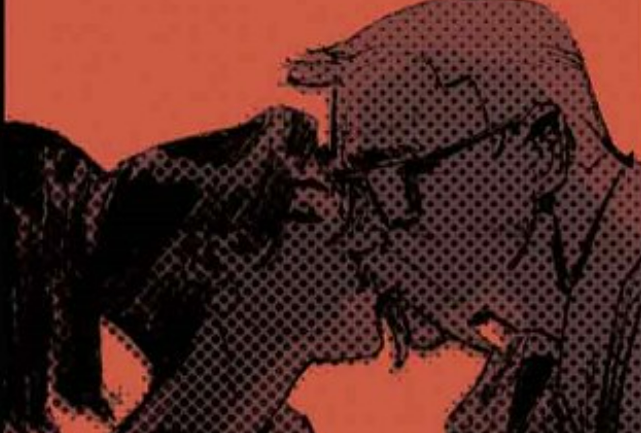
Now that Jim has finally confirmed he knows Bruce is under the cowl, his role has shifted from a mentor to a prime target. In a neo noir setting, the hero's secret usually ends up destroying those who hold it. Taking Jim out is the loudest way for the creative team to prove that in the Absolute Universe, nobody is safe, and Bruce’s mission has a permanent, lethal cost for anyone who gets too close to the truth.


The Ultimate Catalyst for Change

Ultimately, Jim’s death is the most effective way to light a fire under the entire cast. While a parent's death is a core part of the Batman origin, Jim’s death in this universe ripples through everyone currently on the board. For Martha, seeing a friend die might be the thing that forces her to fully re-embrace her lethal Talon skills to protect what is left of her family. For Barbara, it is the spark that turns her into a radicalized warrior or a dangerous opponent.

For Bruce, this is the ultimate motivator. It proves that his mission carries a body count that includes the people he loves most. This isn't just one person’s tragedy; it is a collective trauma that forces everyone to grow up and level up fast. Jim’s absence creates a vacuum that forces the entire Gotham underground to either start a revolution or get crushed by the Court of Owls.

But what do you think? Am I off base? Who do you think is gonna fill the body bag in Absolute Batman #20> Sound off below!

🚨DC KO Spoilers: DC Prepares a Universe-Altering Event After K.O.

George SerranoComment

If you thought DC’s K.O. was wild, get ready. DC is gearing up for something even bigger. It looks like DC might be heading towards familiar territory, but with a bombastic twist that is sure to have new and old fans alike flocking to comic shops.


Spoilers for DC KO #5 (from Bleeding Cool)


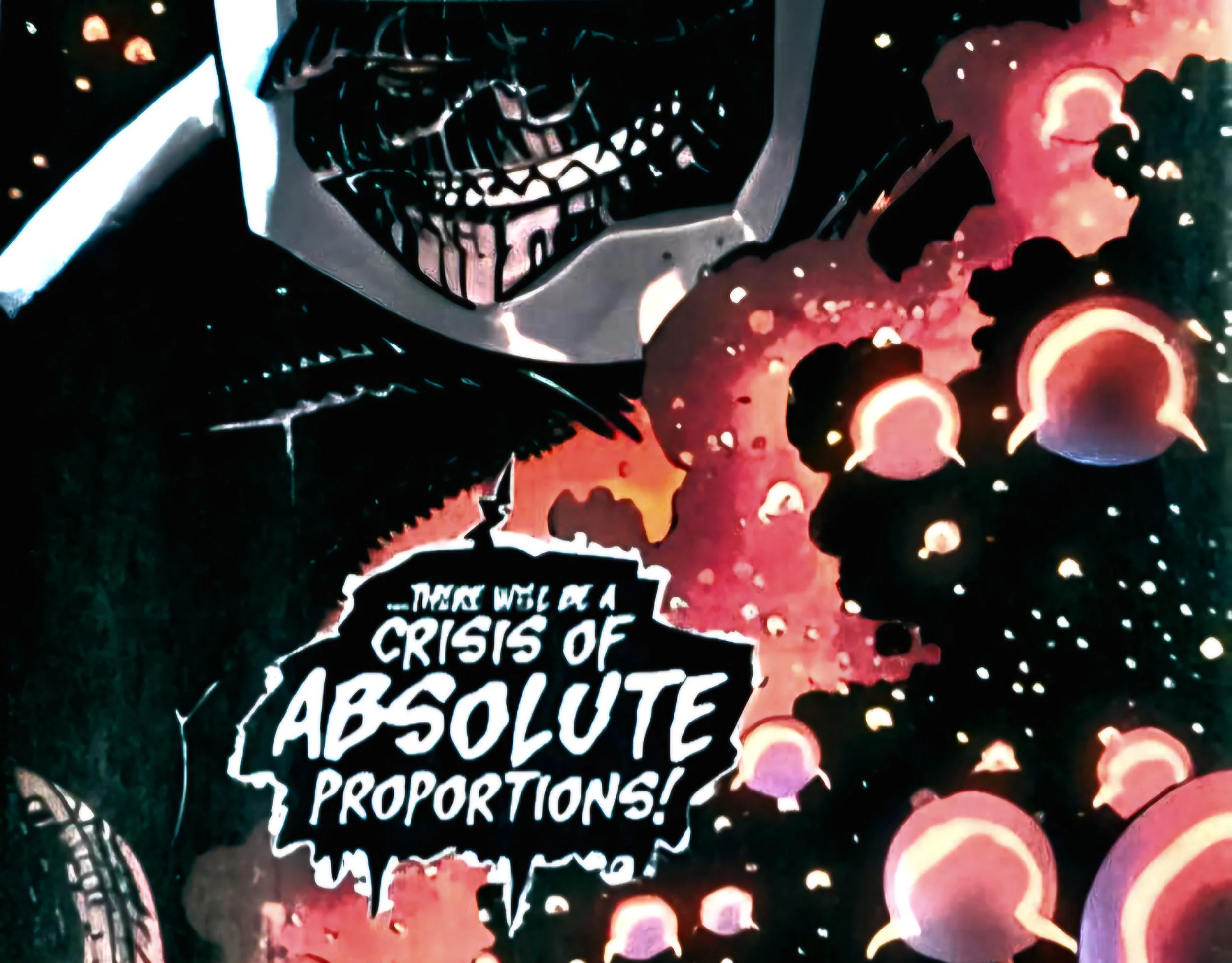
According to Bleeding Cool, the aftermath of DC’s K.O. #5 is setting the stage for the first Absolute Crisis, a crossover mini-series that could shake the entire DC landscape.

At the recent ComicsPRO event in Glendale, Absolute Group Editor Chris Conroy said the event will be easy to jump into, friendly for newcomers, and won’t disrupt existing storylines. Don’t let that fool you. Darkseid himself hints that this will be a crisis of Absolute proportions, an event massive enough to redefine the universe.

Conroy also teased that this will be the “Absolute way,” which means crazy variant covers, huge moments for every major hero, and the possible debut of new fan-favorite arcs. From hints at new powers to universe-altering consequences, everything post-K.O. is about to get intense.

The event is expected in Q4 2026, giving fans months to speculate, theorize, and prepare for what could be one of DC’s biggest events in years. Collectors, completionists, and chaos-loving fans all have a lot to look forward to.

DC’s next chapter isn’t just another crossover. The Absolute Crisis is coming for every corner of the multiverse.

The Shape of Evil Has Changed: And the Absolute and Ultimate Universes Know It

George SerranoComment

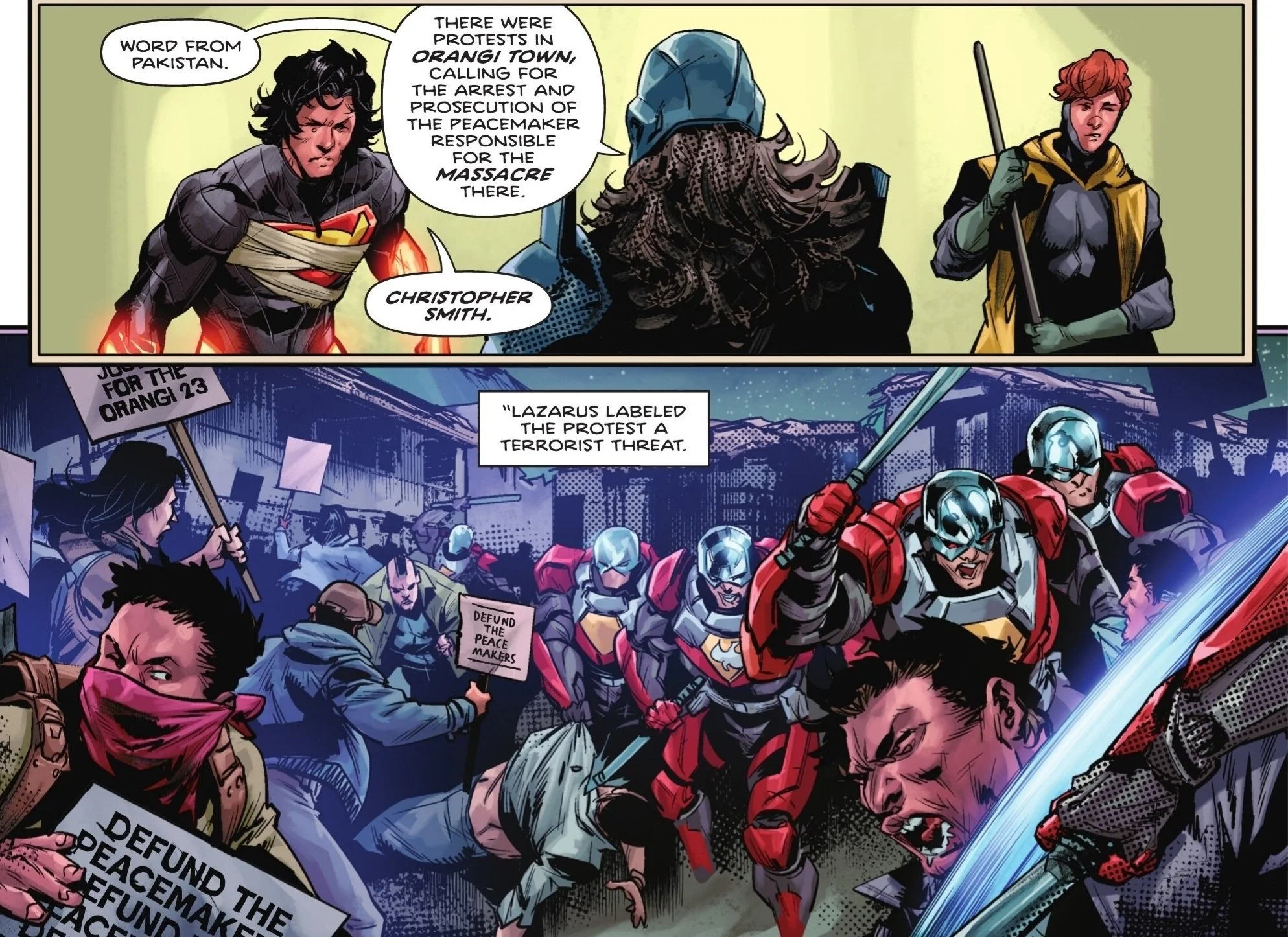
Evil in comics isn’t what it used to be. No longer just a masked villain with a doomsday device or a color-coded costume, modern villainy is structural, insidious, and embedded into the systems that shape society. It doesn’t just strike—it manipulates, deceives, and traps people in networks they may never even see.

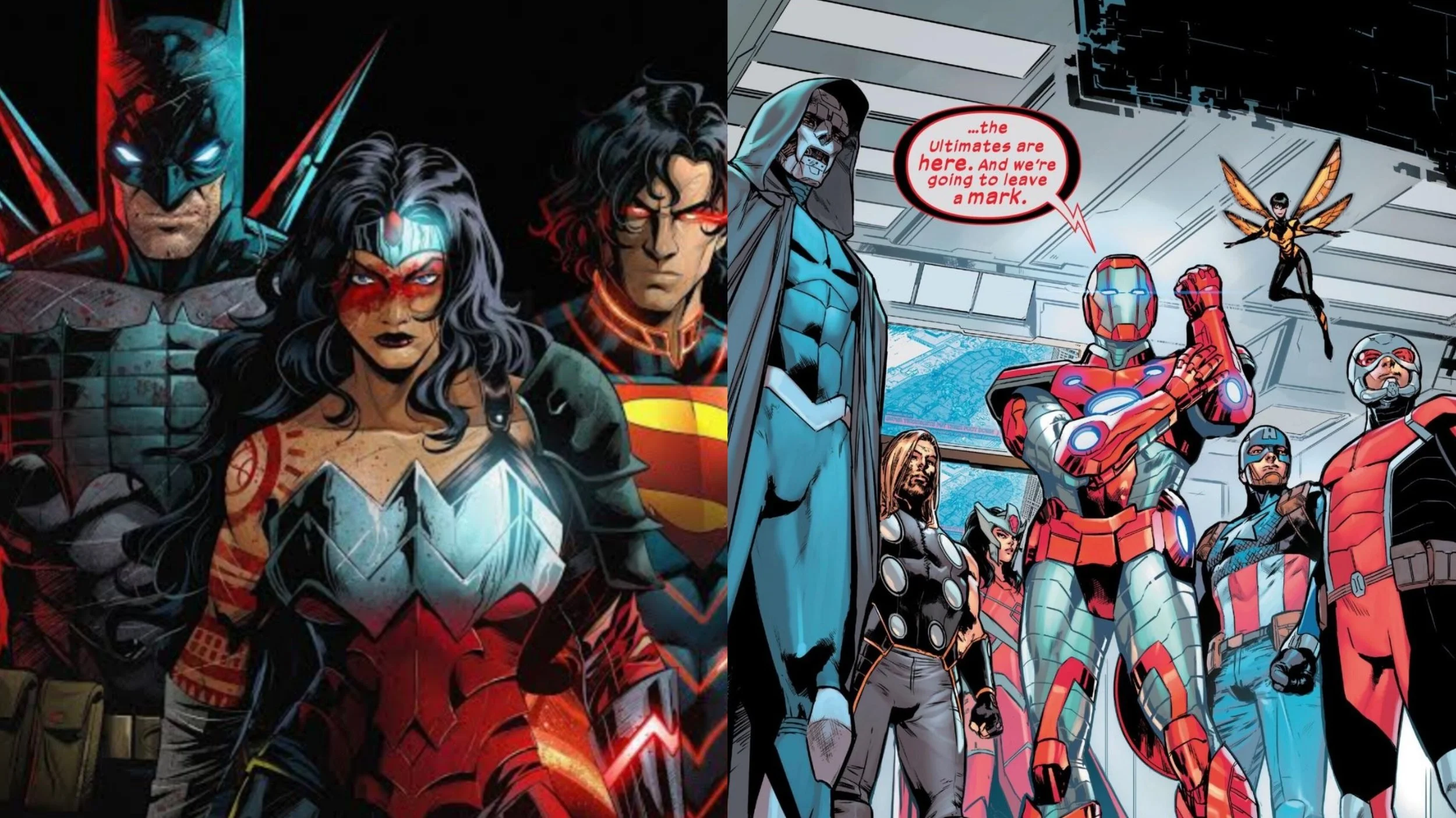
Propaganda, secret cabals, financial exploitation, militarized oversight, and ideological manipulation have all become forms of villainy in the Marvel Ultimate Universe (Earth-6160) and the DC Absolute Universe (Alpha-World). Writers like Jonathan Hickman and Scott Snyder use these universes to explore evil as a system, not just a person, giving readers a mirror to reflect on power, control, and the complexity of oppression.


Alternate Universes Break Free of the Status Quo

In the main continuities of Marvel and DC, heroes always reset to familiar roles. Stories entertain without destabilizing the world, favoring repetition over lasting consequences. Alternate universes, however, allow permanence and meaningful stakes. In Earth-6160 and the Absolute Universe, heroism must contend with systems of power, and villainy is procedural and systemic. Heroes cannot simply punch a villain into submission—they must dismantle networks, expose corruption, and survive environments designed to crush them.


Shared Themes: How Modern Villainy Works

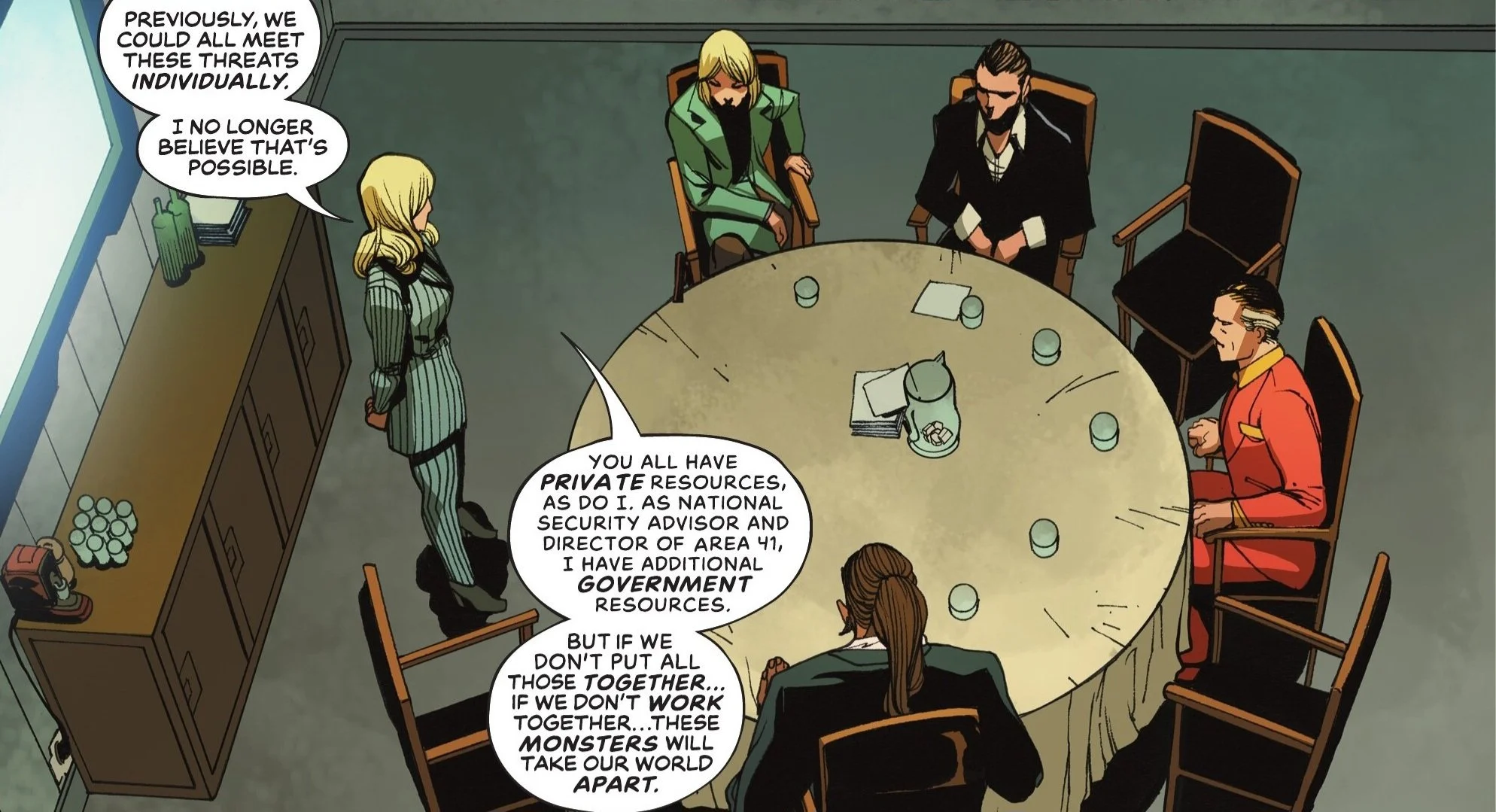
Both universes tackle similar ideas, showing that the most dangerous evil is woven into the institutions we rely on. Propaganda shapes perception, convincing civilians to support policies and leaders they might otherwise question. Secret cabals and elite councils manipulate governments, corporations, and militaries from the shadows.

Capitalism and corporate power trap populations in cycles of dependency and exploitation. Militarized enforcement ensures obedience, punishing those who step out of line. Ideology and belief bind communities to destructive agendas, turning loyalty into a weapon. In both Earth-6160 and the Absolute Universe, villainy is systemic, omnipresent, and often invisible, forcing heroes to operate on multiple levels at once—tactical, strategic, and moral.


Ultimate Universe (Earth-6160): Evil as Control and Cabal

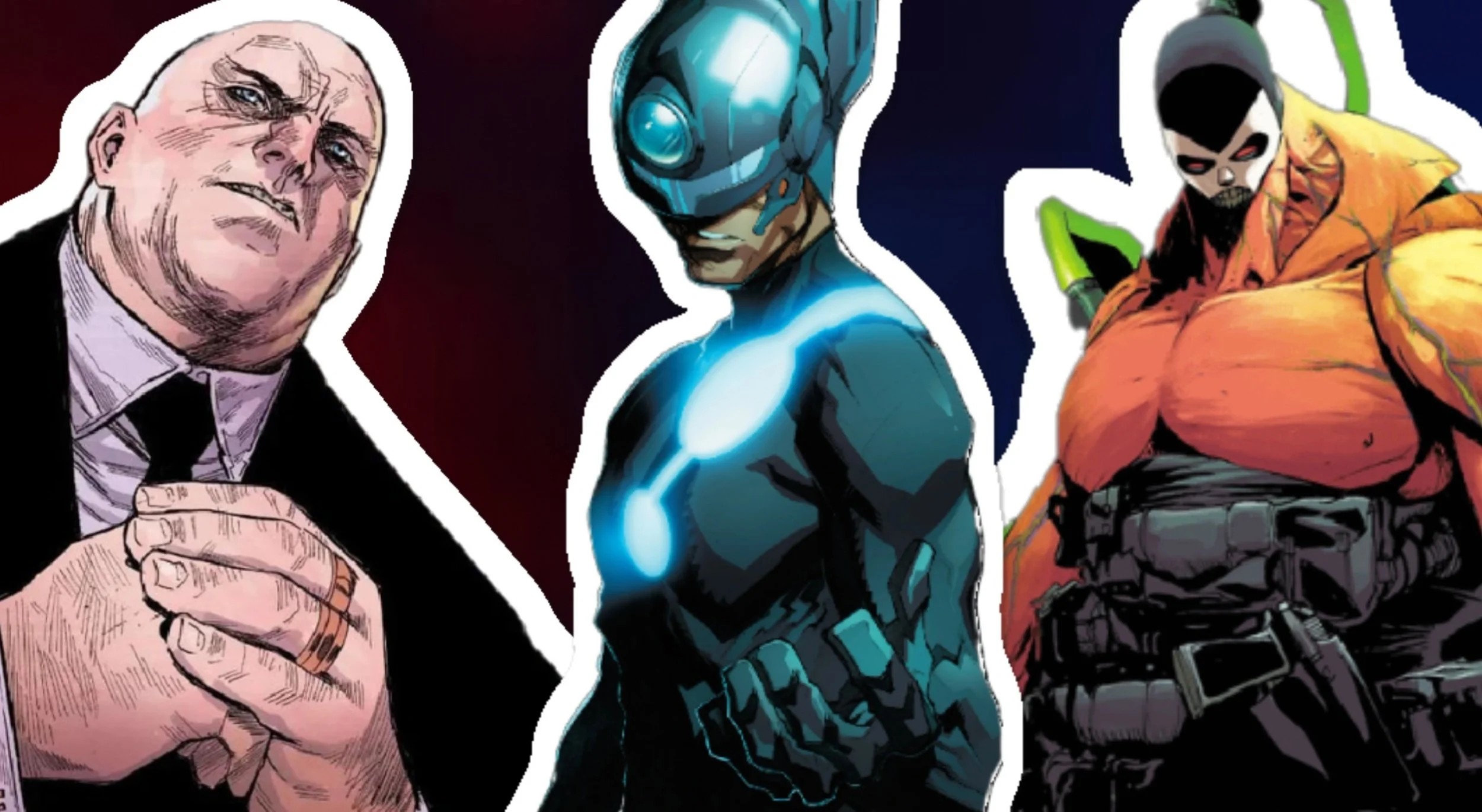
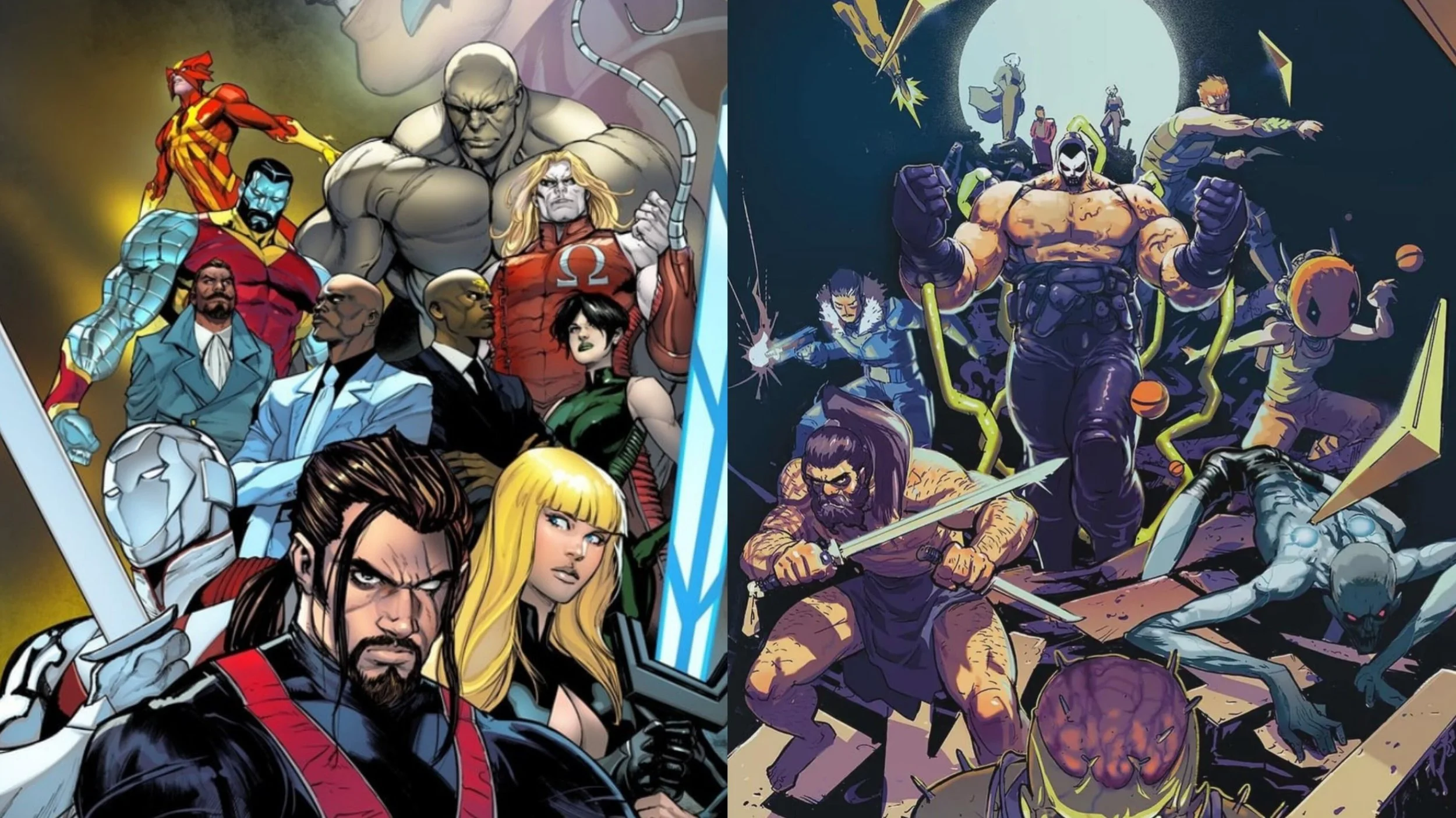
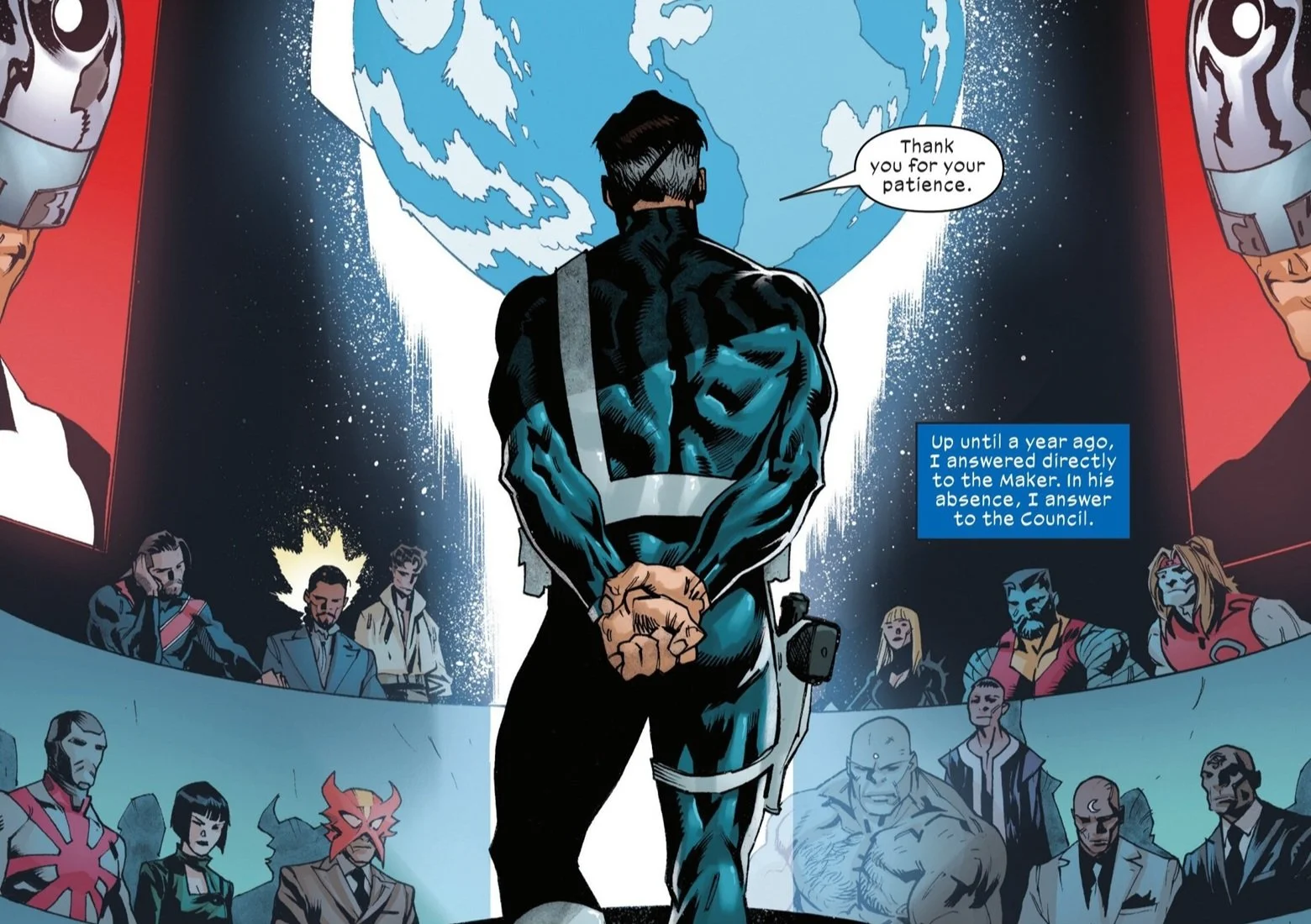
Jonathan Hickman’s Ultimate Universe presents a terrifying vision of society engineered for oppression. The Maker, an alternate Reed Richards obsessed with total control, has built a world where superheroes cannot rise without dismantling the systems themselves. His Cabal is a council of elites coordinating governments, corporations, and militaries to maintain dominance.

Wilson Fisk, running The Paper, manipulates information and perception, shaping public opinion to ensure compliance. Nick Fury acts as the enforcer, tasked with suppressing civilians who resist or question authority. Even resistance movements like the Omega Men can be illusions, designed to give people hope while keeping the status quo intact.

Other examples of systemic manipulation appear across the Ultimate Universe. In Ultimate X-Men, extremist cults exploit mutants, recruiting them through ideology and emotional manipulation. These groups demonstrate that loyalty and belief can be weaponized, showing that power can operate through social control rather than brute force. In Ultimate Black Panther, nationalist factions within Wakanda manipulate political and ideological structures to consolidate authority, turning patriotism into a tool of oppression. False flag attacks, such as those in Ultimate Universe #1, create crises that justify heightened enforcement and surveillance, illustrating how manufactured threats can cement power in place.

Heroes in Earth-6160 must navigate all of these layers, confronting evil not just as a person, but as an entire system.


The Absolute Universe: Evil as Chaos, Exploitation, and Sadism

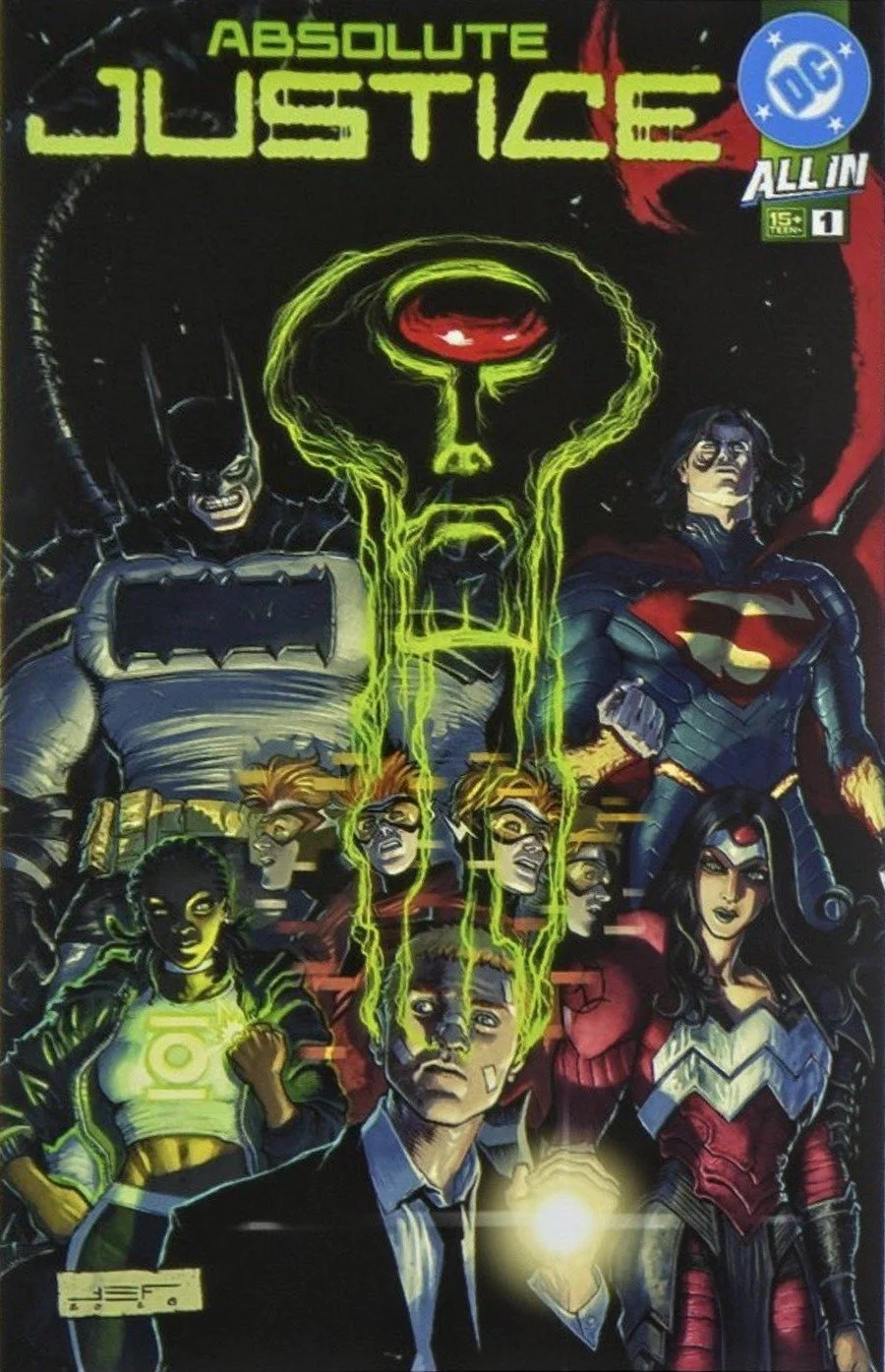
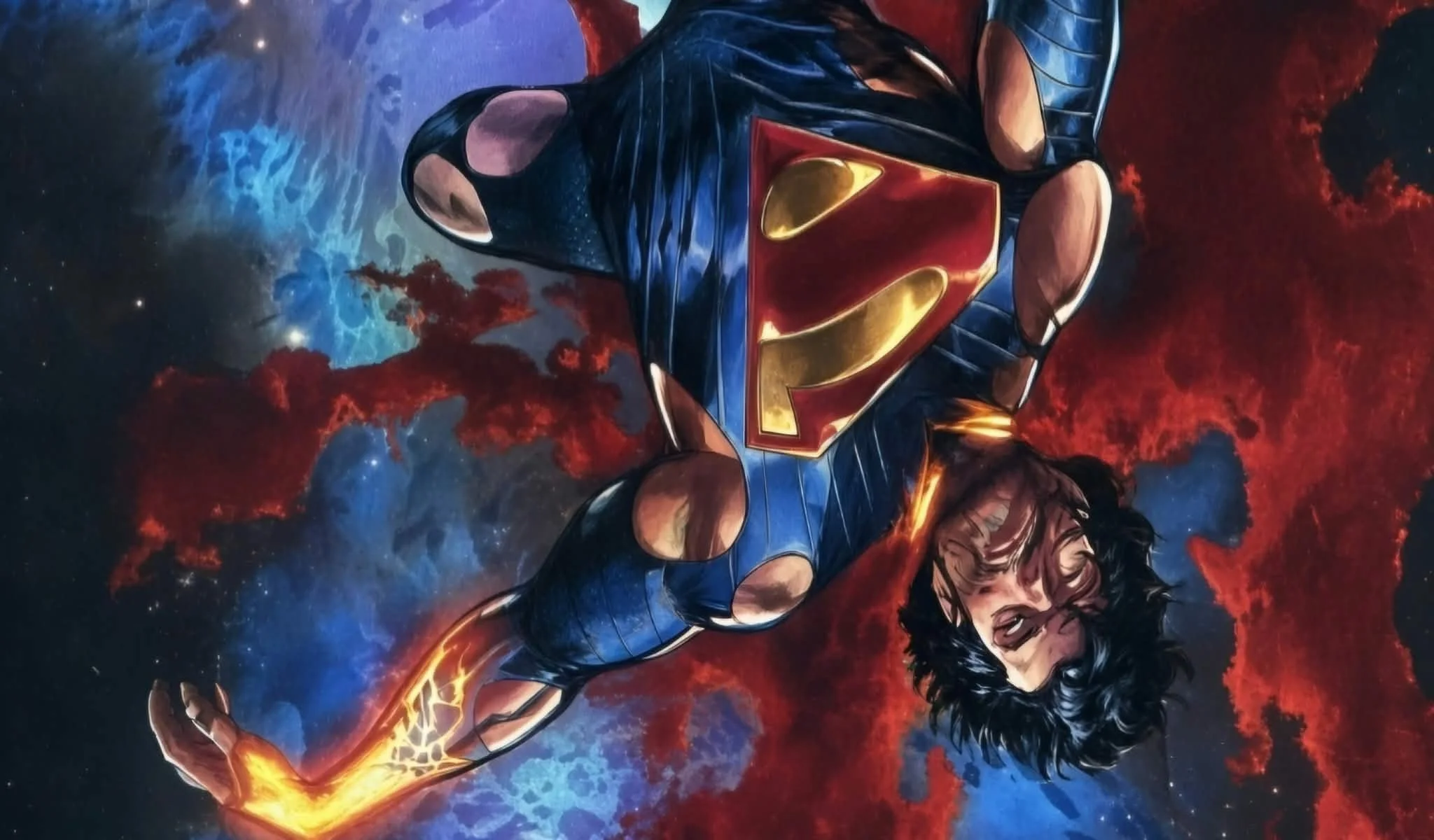
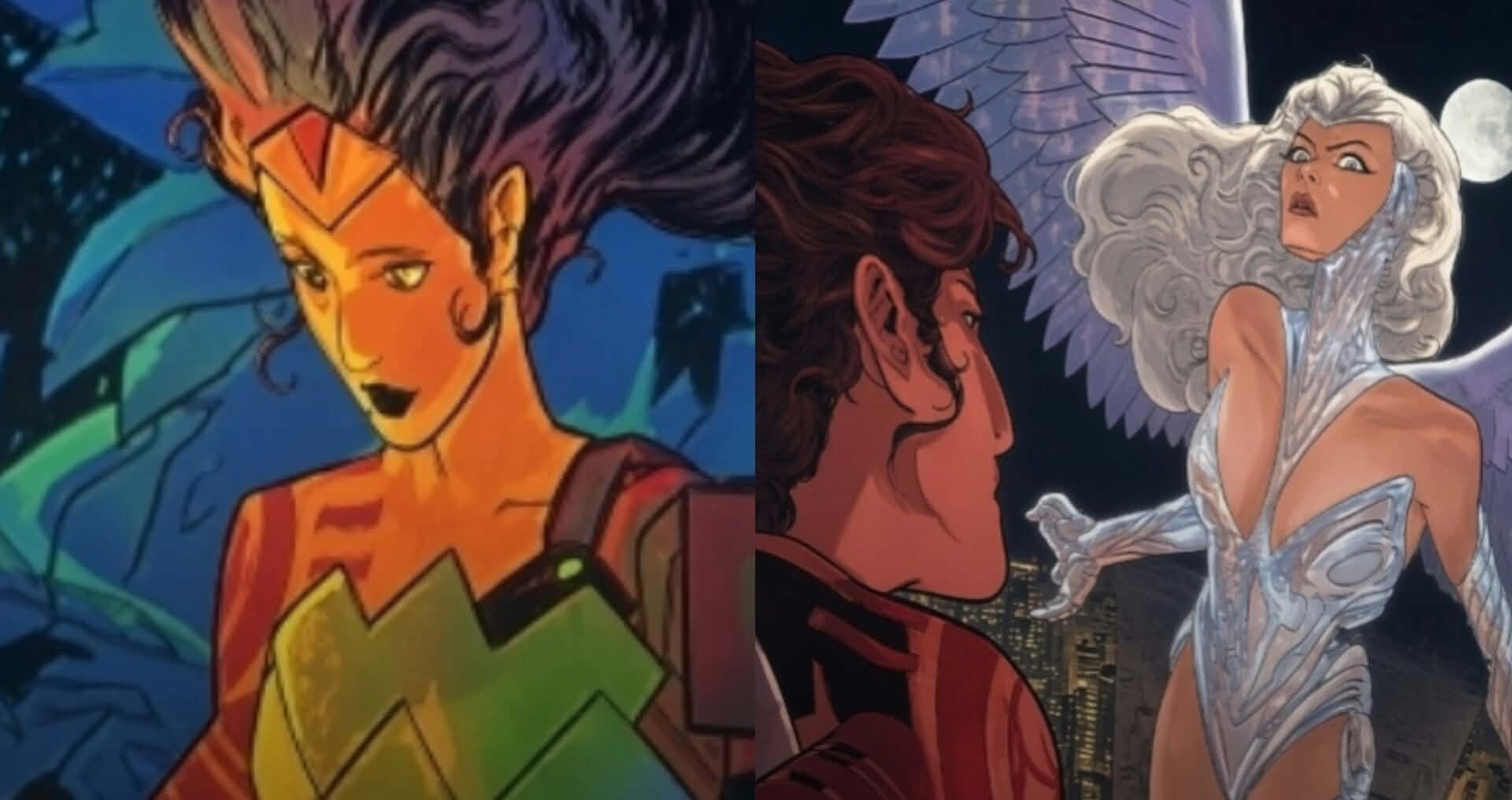
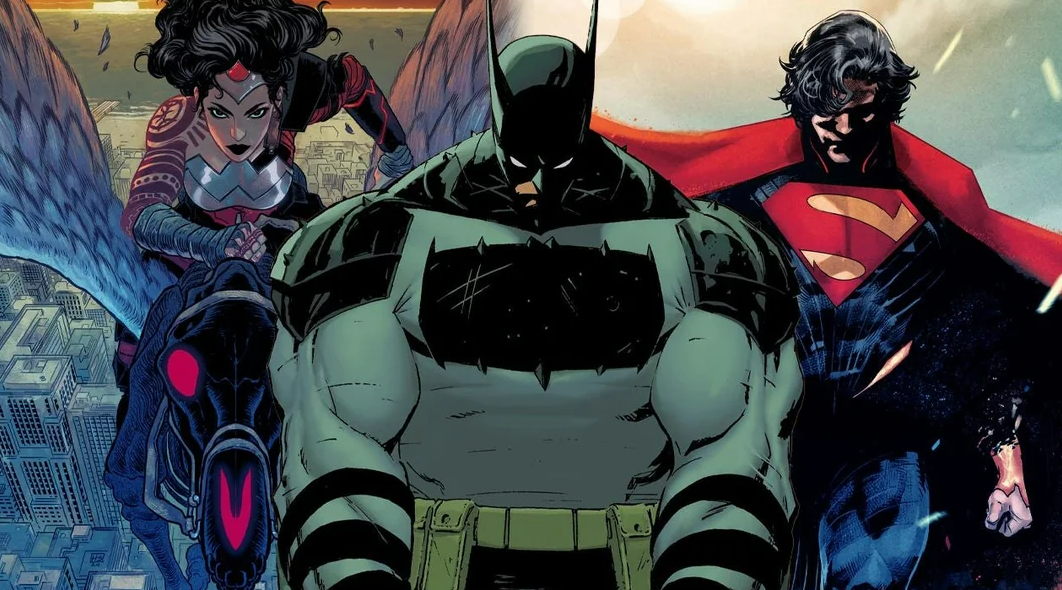
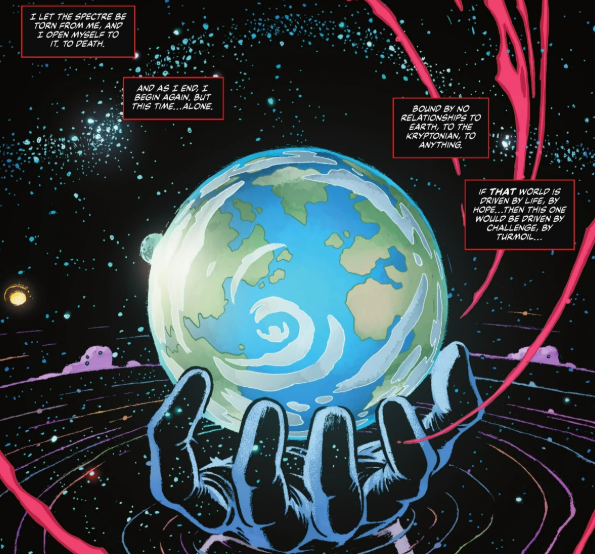
The Absolute Universe approaches villainy differently, emphasizing instability, deprivation, and cruelty. Darkseid’s influence reshapes reality, stripping heroes of the foundations they would normally rely on. Absolute Batman grows up without inherited wealth, Absolute Superman loses the guidance of the Kents, and Absolute Wonder Woman is raised in conflict instead of peace. Survival itself becomes a measure of heroism.

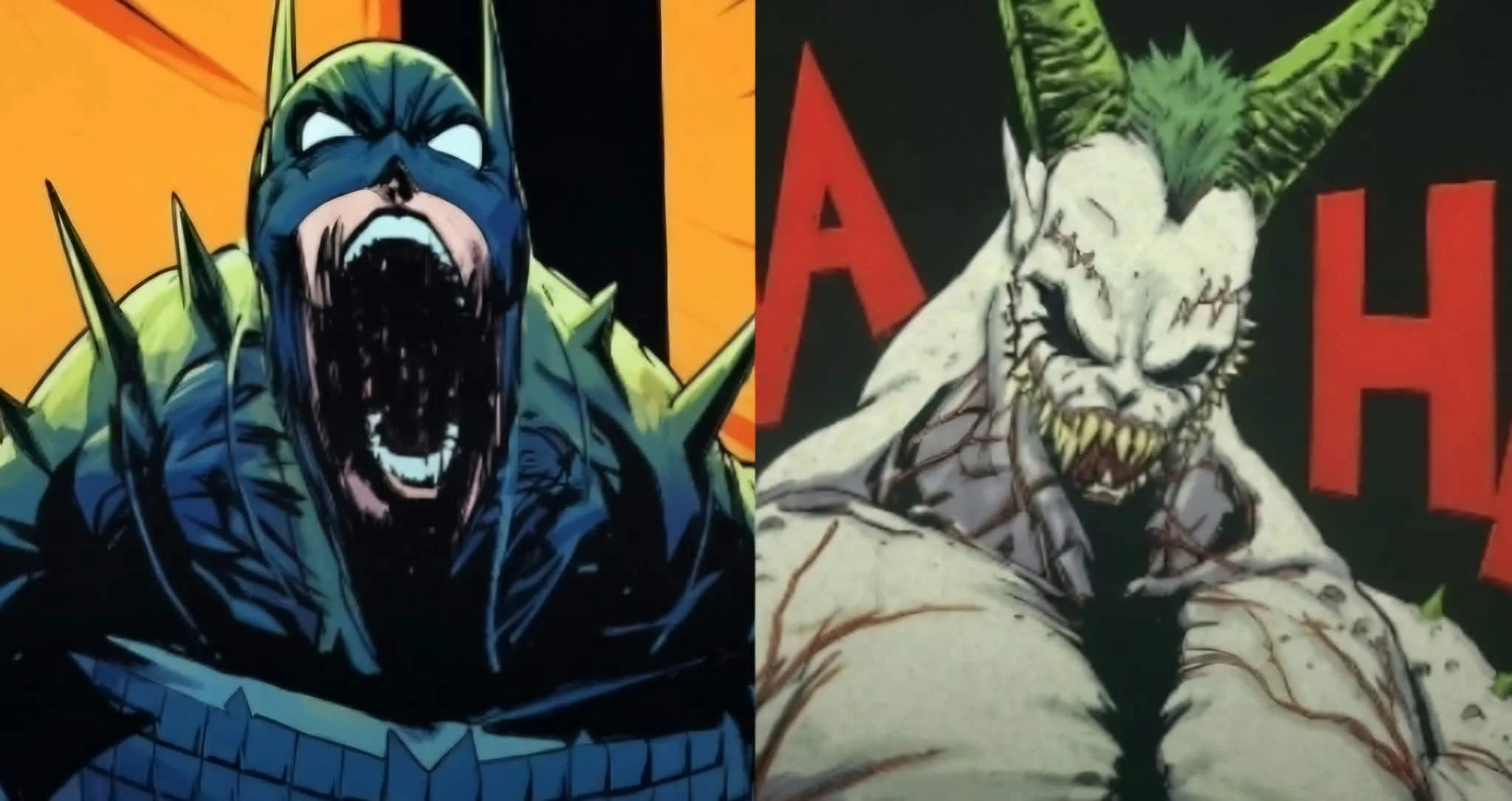
Villainy in the Absolute Universe is both personal and systemic. Absolute Joker is not merely chaotic—he is wealthy, cunning, and sadistic, exploiting systems to perpetuate suffering while staying in the shadows. Absolute Ra’s al Ghul manipulates ideological networks, spreading destruction through institutions rather than brute force. Even the Omega Men in Absolute Superman appear to resist injustice while secretly preserving deeper systems of control, demonstrating how “resistance” itself can be weaponized. Bureaucratic failure, economic exploitation, and manipulated ideology act as villains in their own right, creating a society where citizens are trapped and heroes must navigate moral and structural complexity.


New Heroes for a New Kind of Villainy

This evolution of villainy demands heroes who are more than symbols—they must be strategists, insurgents, and analysts capable of navigating systems rather than confronting a single enemy. In Earth-6160, heroes like the alternate Spider-Man and his allies must dismantle the Maker’s Cabal, challenge Wilson Fisk’s media empire, and outmaneuver Nick Fury’s enforcement campaigns. These heroes confront propaganda, false crises, and ideological manipulation with intelligence, cunning, and moral clarity.

In the Absolute Universe, Absolute Superman, Batman, and Wonder Woman must survive not only supervillains but the very chaos of their world. Superman protects civilians from systemic and institutional exploitation, Batman operates with ingenuity despite the loss of resources, and Wonder Woman inspires hope in communities stripped of guidance and safety. Together, these heroes reflect the complexity of our world—they survive instability, confront pervasive systems of oppression, and redefine what heroism means when the enemy is woven into society itself.


Conclusion: Mirrors of Our World

The Ultimate and Absolute Universes confirm that modern evil is systemic, structural, and multi-layered. It operates through secret cabals, propaganda, economic and bureaucratic exploitation, militarized enforcement, and ideological manipulation. Heroes in these worlds must think strategically, navigate moral gray areas, and dismantle systems rather than just individuals.

The shape of evil has changed, and the heroes who confront it have changed with it. These stories are more than entertainment—they are mirrors reflecting the systems, structures, and crises that challenge not just characters on a page, but the imagination of readers who recognize the complexity of modern evil and the courage it takes to oppose it.

ABSOLUTE CONSEQUENCES: The Batman Annual Turns War on Crime into War on Fascism

George SerranoComment

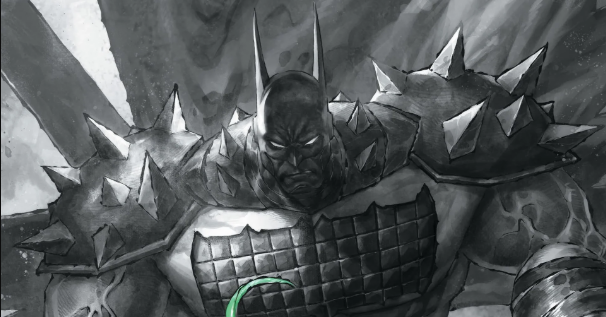
Comic books have always been our modern fables, teaching us lessons and morality through the heroes we cheer for. In a world where any marginalized group can be scapegoated by political movements, writer and artist Daniel Warren Johnson (DWJ) uses the Absolute Batman Annual to tackle true evil head-on.

This extra-sized issue is a visceral, must-read exploration of righteous violence that forces the ultimate question: What are the consequences of war, and how much of his own soul must Batman sacrifice to save others? This annual is a powerful, uncompromising look at the extreme cost of justice.


THE CRITICAL JUNCTURE: Bruce Abandons Protocol

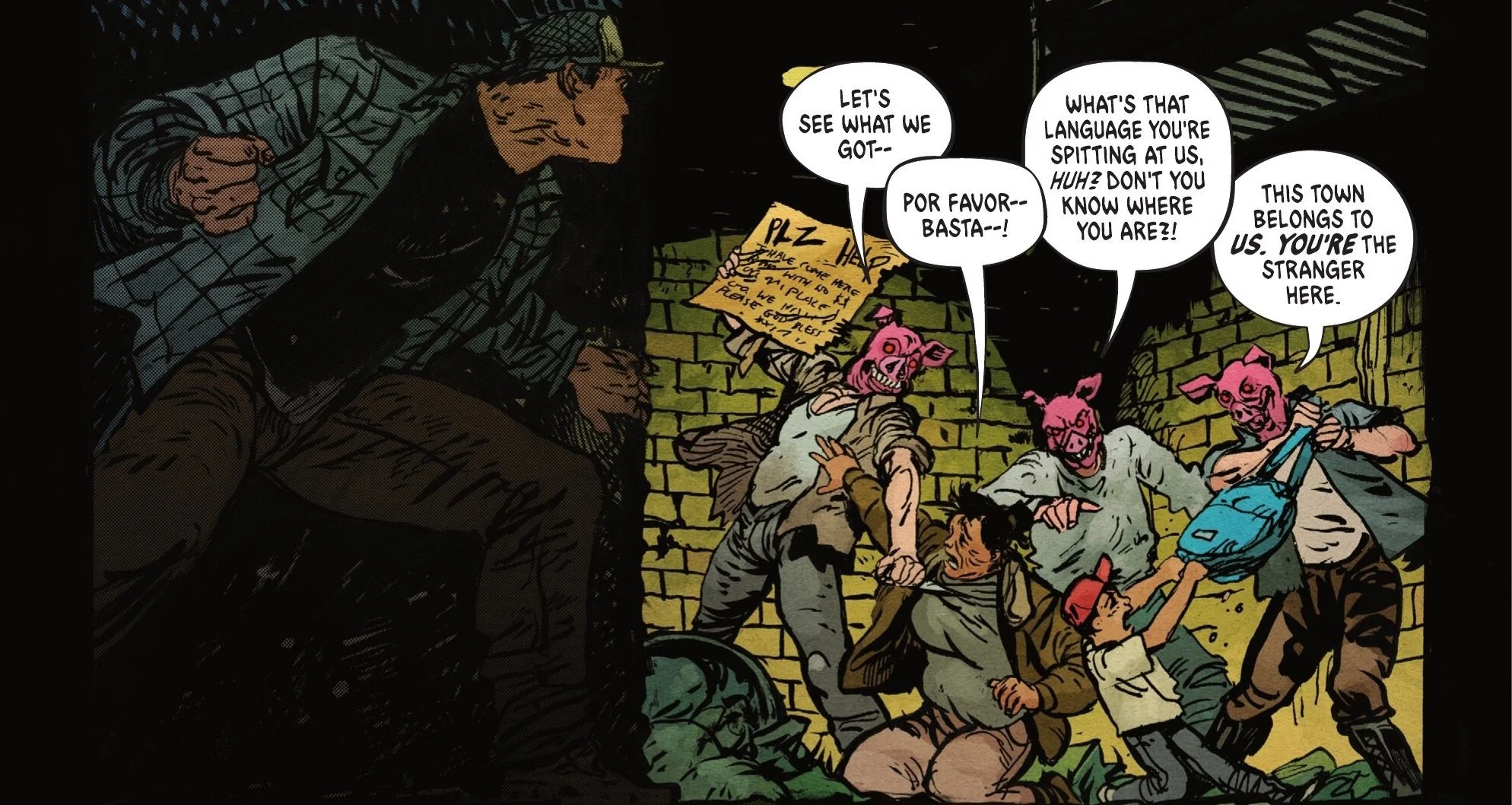
DWJ’s primary story is an early adventure from the life of this working-class Bruce Wayne. The plot finds a young Bruce undercover, but his mission immediately goes sideways when he stumbles upon white nationalist gangs preparing to attack a nearby refugee camp. These thugs are openly backed by corrupt local police. When Bruce sees a Latina woman under attack, he makes a split-second decision.

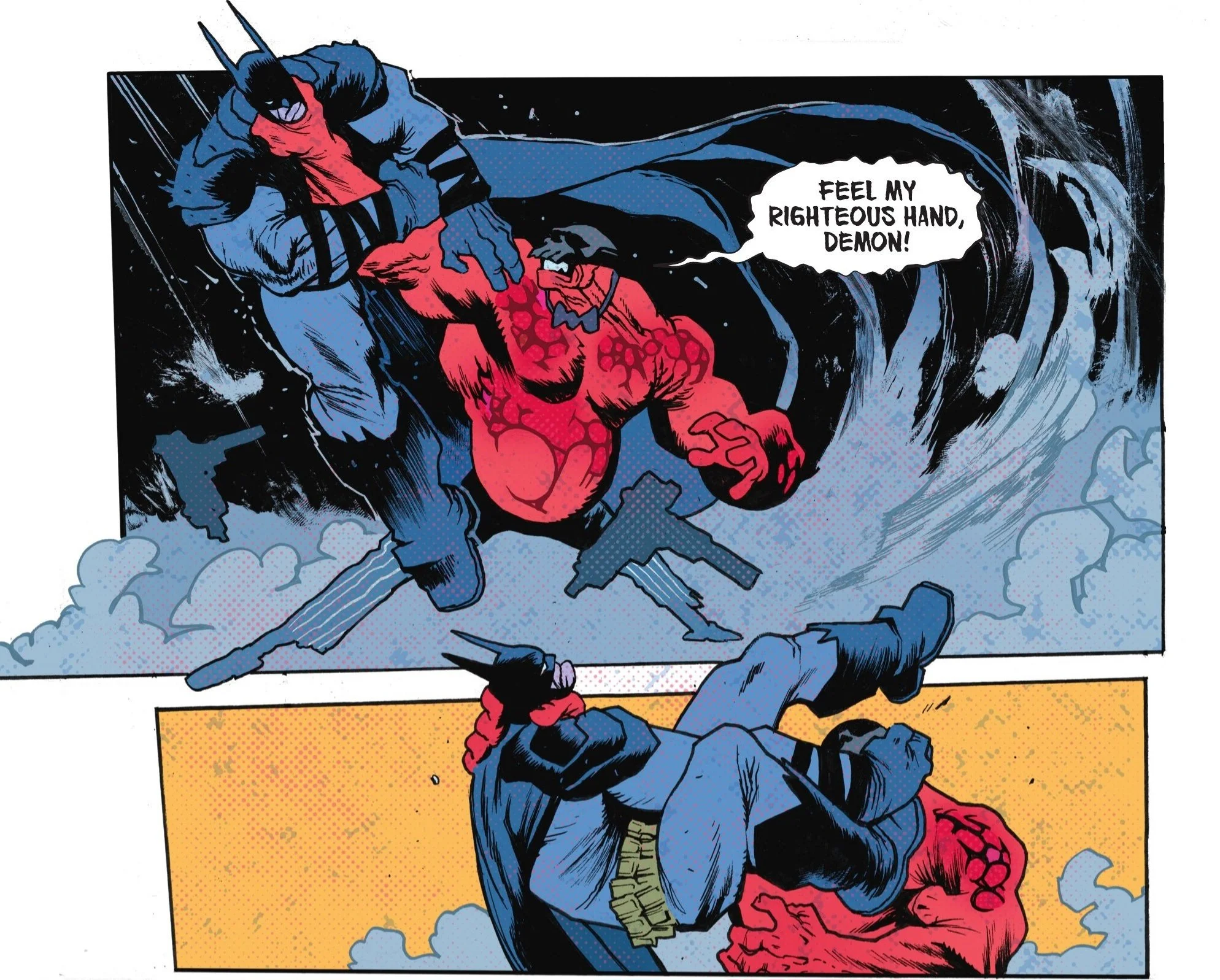
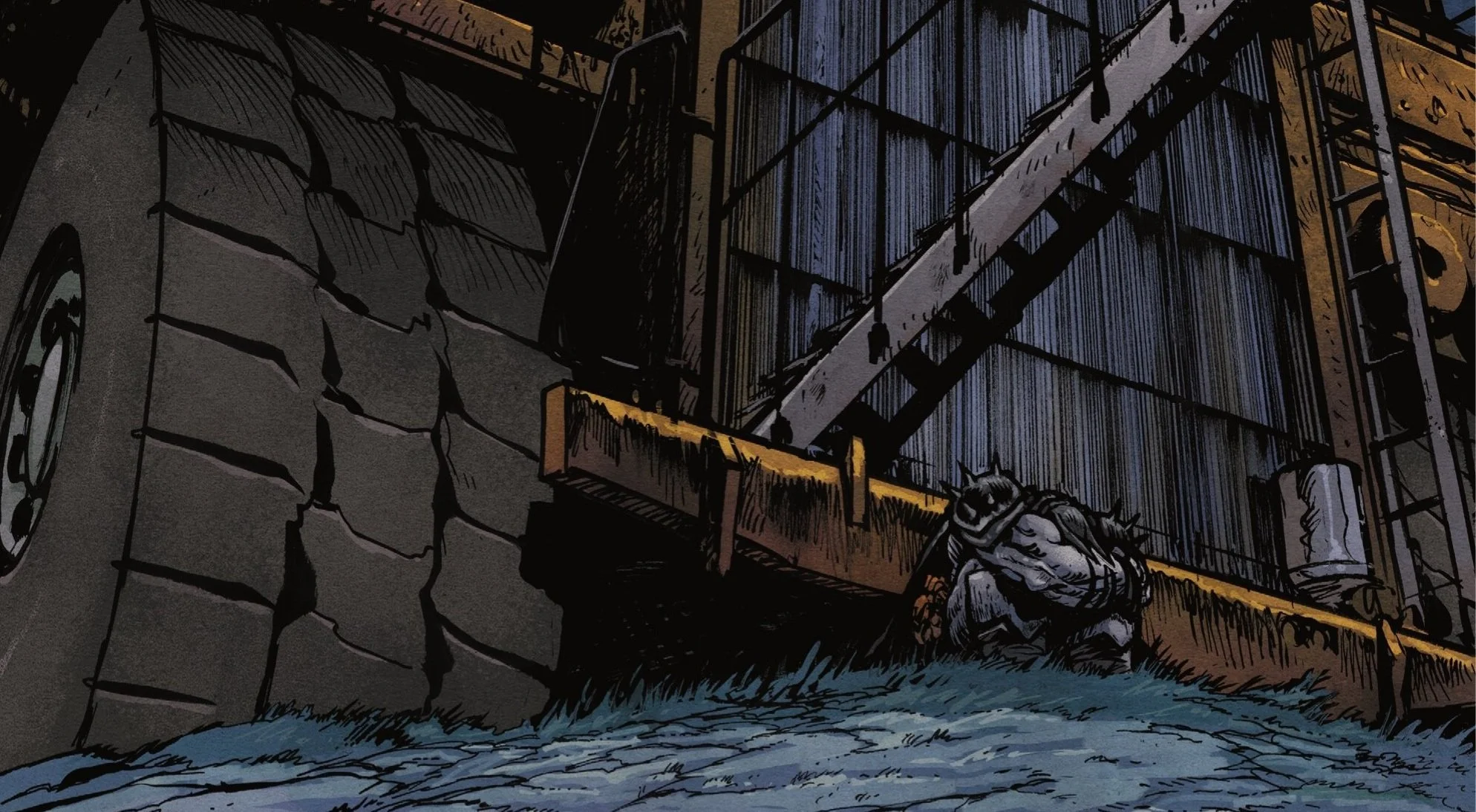
He ditches his careful plan and steps in to protect her, earning himself a brutal beating. After he gets back on his feet, Batman roars in for the final confrontation. Crucially, it’s during this chaotic incident that Bruce finds the earth mover he’ll eventually adapt into his Batmobile. This simple plot—saving a refugee camp and finding his iconic vehicle in the process—is the perfect setup for the issue’s huge moral statement.


THE SOUL'S PRICE: Violence and Paternal Legacy

Daniel Warren Johnson's story is a masterclass in thematic clarity. It completely rejects nuance in favor of righteous fury, functioning as a necessary fable for our volatile times.

​The comic’s political commentary is a hammer blow. By pitting Batman against white nationalist gangs and a police force that actively enables their violence, DWJ draws a chilling, direct parallel to current events. This comic argues that the true "Absolute Evil" is any movement that seeks to dehumanize others.

​Batman's choice of unsubtle justice is the story's core thesis. His brutal beatdowns feel less like a failure of morality and more like a visceral necessity. However, this is where the title, Absolute Consequences, truly resonates. The fighting may be over, but the moral conflict isn't.

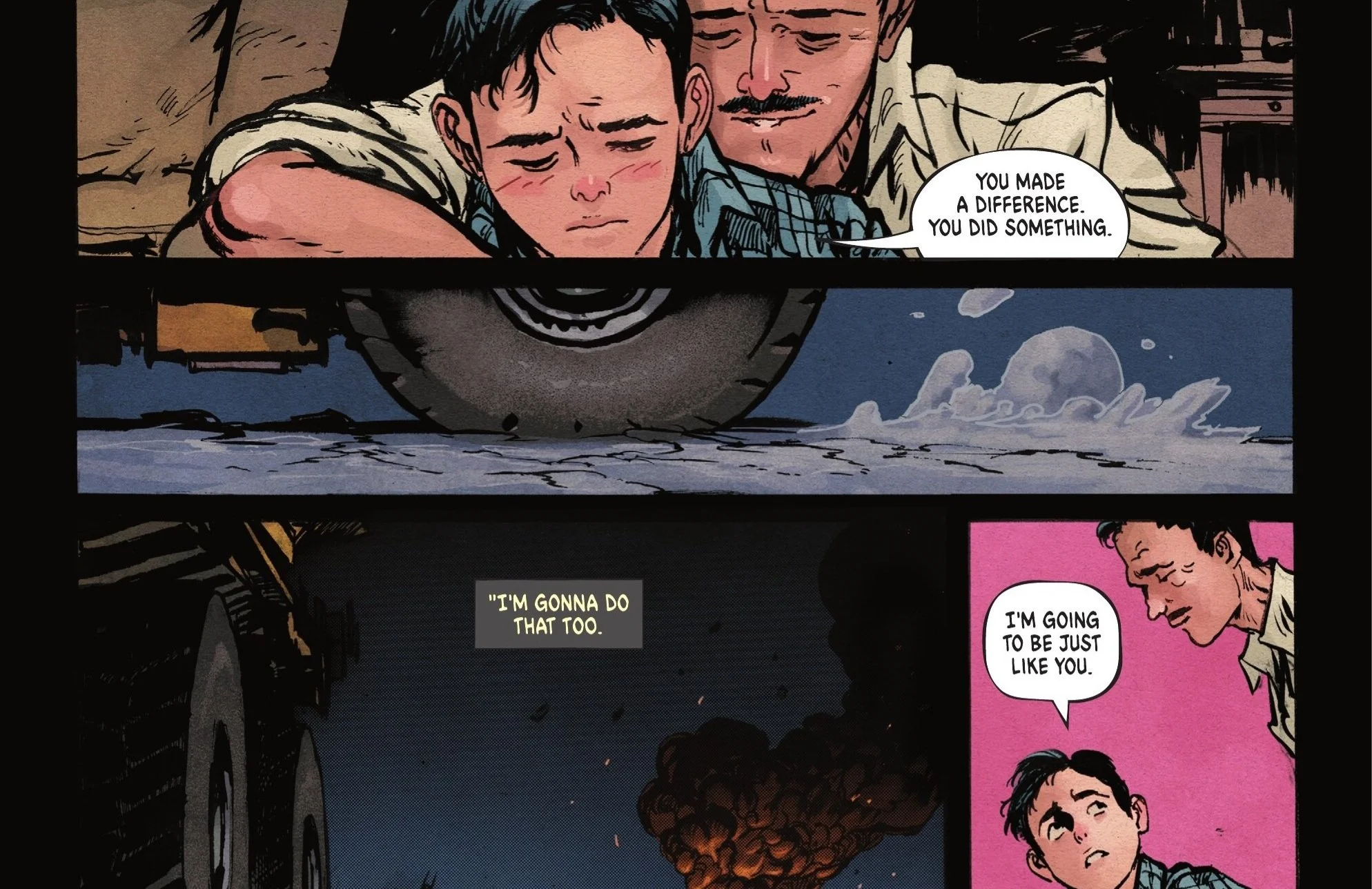
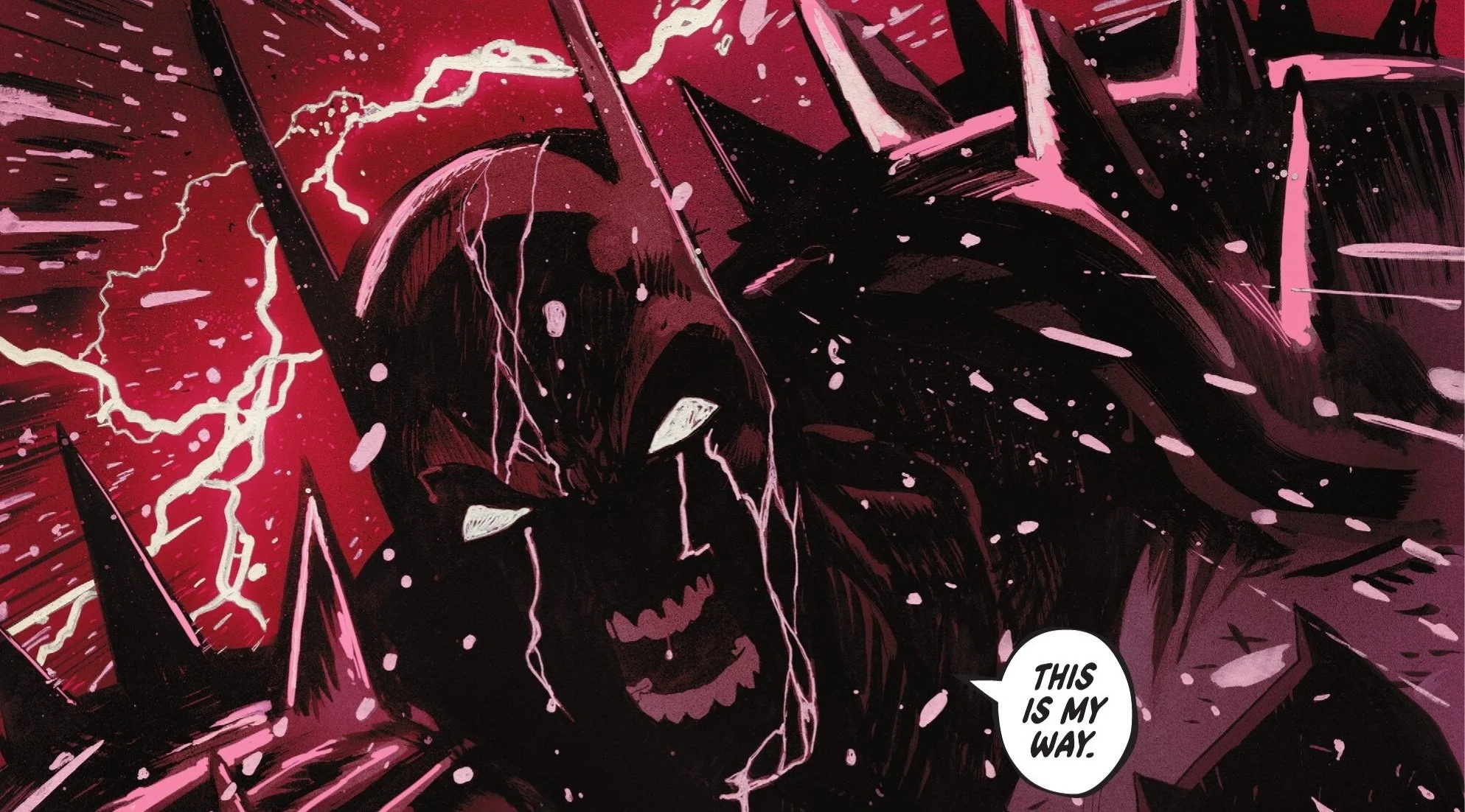
The final image of the main story is not one of triumph. Instead, Batman is balled up and bawling, left wondering if he has gone too far in his intense violence. This single panel is the emotional climax that lays bare the consequence of his actions. By embracing this raw violence, he risks betraying the legacy of compassion his parents represented, proving that his greatest enemy is always the darkness within himself.


ART OF THE VISCERAL: Johnson's Kinetic Impact

​The political message lands with such force because of Daniel Warren Johnson's raw, intense art. His style is kinetic, bombastic, gritty, and messy in the best possible ways. This isn't the clean, surgically precise Batman art we often see. This is pure rage and energy translated onto the page.

​DWJ's storytelling is based on action and motion. He makes every punch count. When Batman beats down the white nationalists, the art is a showcase of extreme punishment. The rough, messy quality of the art is perfect for this early-days, working-class Batman. His early Bat-suit lacks polish, and his fighting style is all about brute force over finesse. The whole issue is a visually arresting, fully visceral experience that confirms DWJ is the perfect artist to illustrate a story about fighting back against pure, ugly extremism.


Absolute Backup Stories

​This oversized annual isn't finished after DWJ's main feature. It includes two excellent backup tales that further flesh out the brutal Absolute Universe.

​Sanctuary by James Harren

​James Harren (writer and artist) delivers a phenomenal, visceral piece called "Sanctuary" that plays out like a desperate horror film. The core of this grim tale is the human tragedy at its center: Victor, a young gang member, brings his crew to the church where his estranged father lives. While Victor hurls insults, Batman is silently infiltrating the church, dispatching the gang members one by one. The climax is pure Harren: the gang realizes they are trapped, knocks out Victor's father, and one member takes experimental drugs to become a hulking monster. Even that isn't enough. The story ends on a surprisingly tender, emotional beat with Victor's dad holding his son. It's a powerful story about lost family and how crime destroys its own connections.

​The Meredith McClaren Story

​Finally, Meredith McClaren contributes a brilliant, thoughtful conclusion to the annual. Her two-page ending is a necessary shift in tone, providing a moment of contemplation after all the violence. It features a series of panels giving facts about bats while showing sightings of the Absolute Batman. The idea is to illustrate the traits the hero shares with the mammal. McClaren's piece ends on a surprisingly hopeful note: the concept that we can be a community of bats, helping one another.


Conclusion and Verdict

This Absolute Batman Annual is exactly the kind of comic book we need right now. It takes the familiar mythology of Batman and uses it as a platform for catharsis and a call to moral clarity. DWJ gives us a raw, raging hero who understands that some threats cannot be dealt with subtlety. The final image of Batman weeping confirms that the consequences of his mission remain his greatest struggle. This issue is a beautifully drawn exploration of extremism and righteous fury. It truly feels like a mirror held up to our own world's rage.

Verdict: Essential Reading. This is Daniel Warren Johnson at his absolute best.

But what do YOU think? Let us know below!